
 0
0
Computer Components
2360 –
2370
of
4773
Availability
Sort by
Advance Filters
HPE
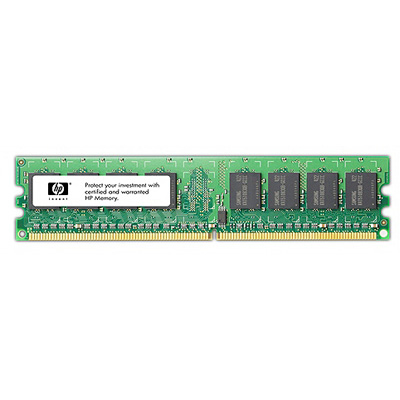
HPE 397413-B21B-RFB HP 4GB Fully Buffered DIMM PC2-5300 2x2GB DDR2 Memory Kit memory module 667 MHz ECC
**Refurbished**
Part# 397413-B21B-RFB
SKU S19454
In
Stock


HPE
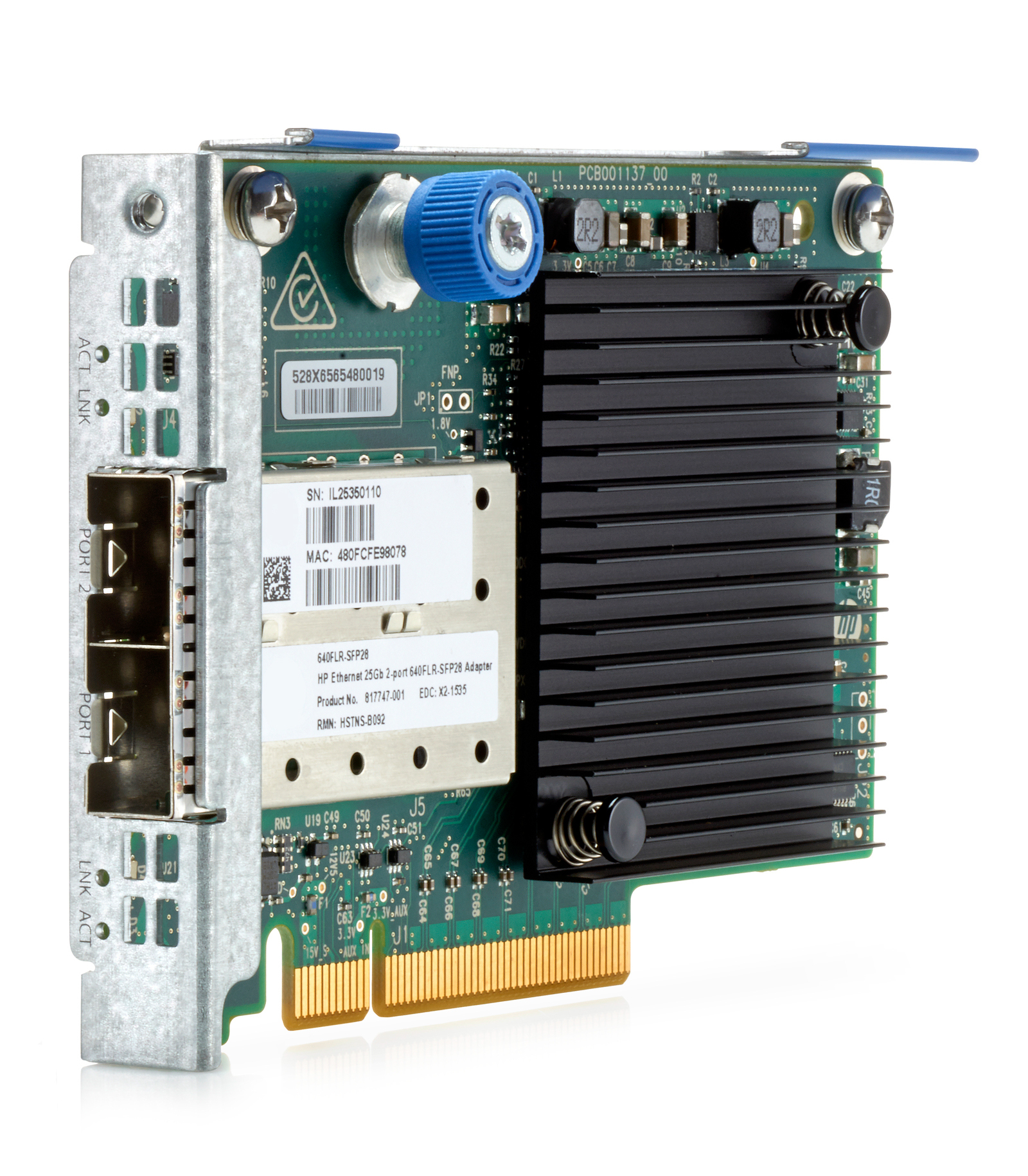
HPE 840139-001 HPE Ethernet 10/25Gb 2-port 640FLR-SFP28 Internal Ethernet / Fiber 25000 Mbit/s
FlexibleLOM form-factor - Has two dual 10/25Gbe SFP28 ports capable of 50 Gb/s bi-directional, 100 Gb/s aggregate bi-directional theoretical bandwidth - Requires one x8 PCI (Gen 3) Express slot
Part# 840139-001
SKU S19454
In
Stock
Tripp Lite
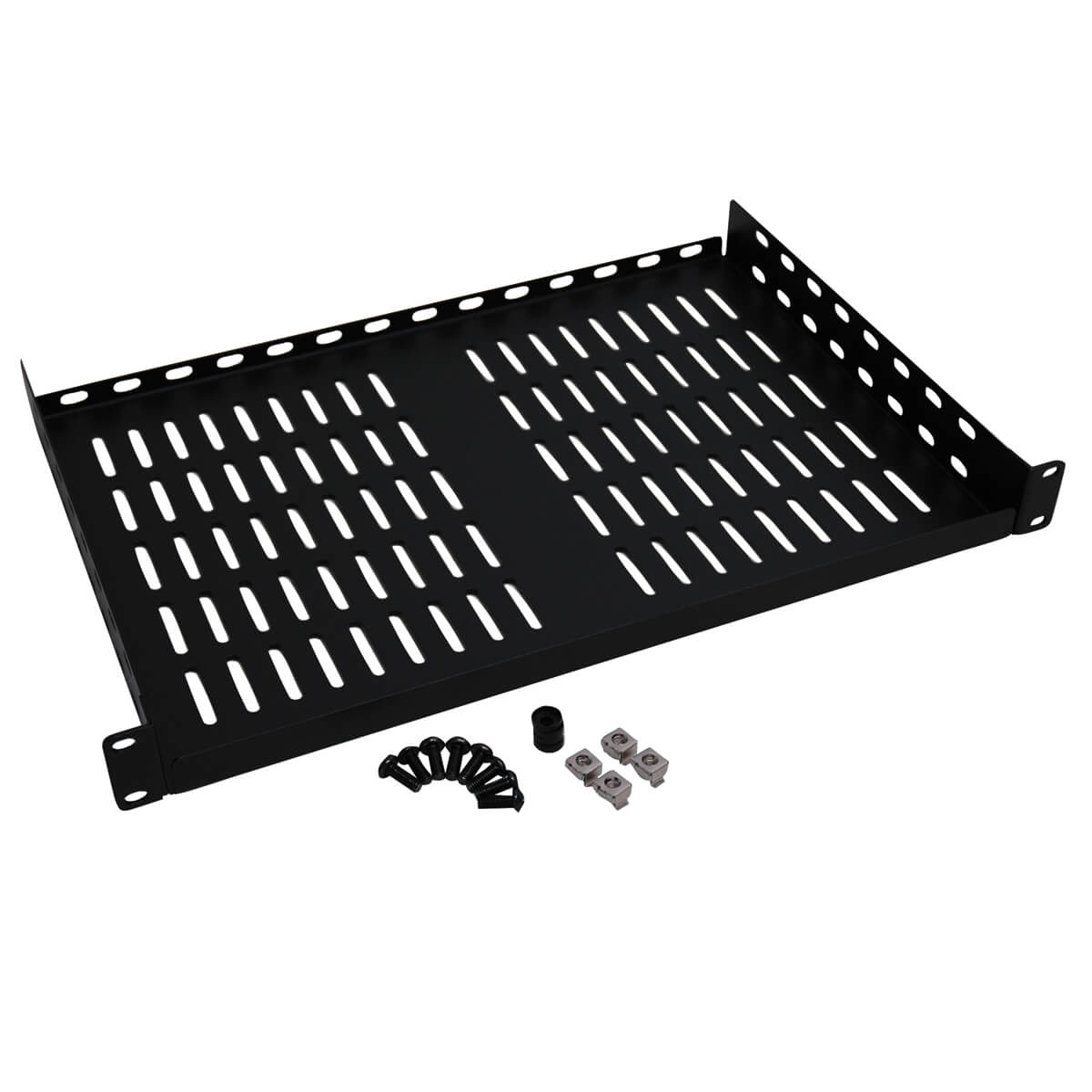
Tripp Lite SRSHELF2P1U Tripp Lite SRSHELF2P1U SmartRack 1U Cantilever Fixed Shelf (40 lbs / 18.1 kgs capacity; 12-in. / 305 mm Deep)
Fixed Shelf, 1U Cantilever mount, Cold rolled steel with black finish. Required mounting hardware included. Supports up to 40 lbs (18.1 kgs)Use two shelves back to back to create a deep fixed shelf in 2POST racks.
Part# SRSHELF2P1U
SKU S19454
In
Stock
ASUS
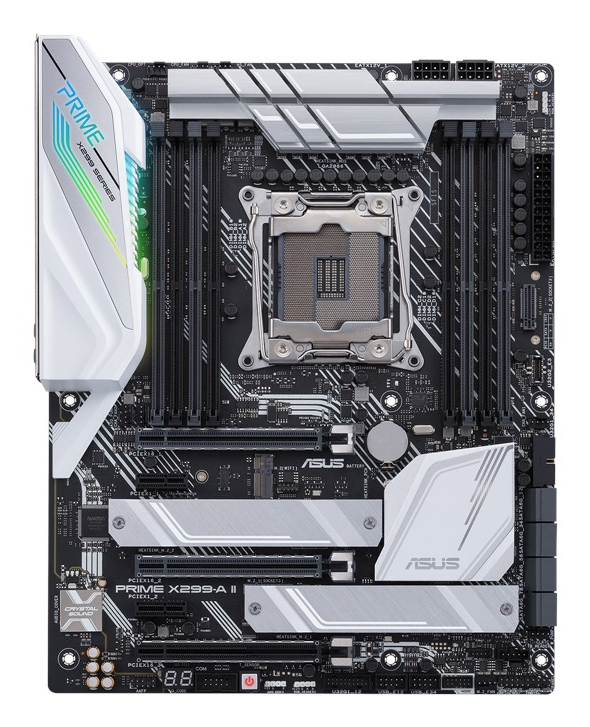
ASUS 90MB11F0-M0EAY0 ASUS Prime X299-A II Intel® X299 LGA 2066 (Socket R4) ATX
The Prime X299-A II caters to users with serious pursuits: Those who prefer to put their high-core-count processors to more productive use. This high-end desktop board combines cutting-edge performance with our signature features, including an enhanced VRM tailored for running the CPU performance at stock speeds, intuitive cooling control, next-gen connectivity, and extensive customization.Get the most out of all your coresIntel®'s high-end desktop platform raises the stakes with updated Intel Core™ X-Series Processors that boast cores, cache, and bandwidth. The Prime X299-A II is ready for the additional processing power that plows through CPU-intensive tasks, and the extra bandwidth allows you to add more GPUs and NVMe SSDs to accelerate a wide range of work.Robust Power DesignThe LGA 2066 socket is compatible with Intel Core X-Series Processors with up to 18 cores, over 44 PCI Express® lanes, and 165-watt thermal design power (TDP). Those specs require serious power, so the Prime X299-A II is equipped with an enhanced power solution that includes 12 power stages that line up neatly along the top edge of the PCB.Multi-GPU supportFully loaded takes on a new meaning when you have over 44 PCI Express lanes stemming from the CPU. Those lanes can be split in an x16/x16/x8 configuration spanning the board's trio of PCIe x16 slots, allowing you to load up on GPUs to accelerate an increasingly diverse array of work.Achieve speed with onboard M.2Professional applications require fast solid-state storage, which is why the Prime X299-A II is equipped with three M.2 slots that are compatible with the latest NVMe SSDs. All slots support longer 110 mm drives, and they can be configured into bootable RAID arrays connected directly to the CPU via Intel VROC technology.VROCUpgrade your RAIDUse onboard M.2 slots and ASUS Hyper M.2 x16 Card V2* to take advantage of Intel's Virtual RAID on CPU (VROC)** by connecting the three M.2 drives in RAID configurations. With VROC, your RAID arrays are easily configured to be bootable, and traditional DMI bottlenecks are eliminated so that your storage is not held back by other traffic.USB 3.2 Gen 2 front-panel connectorFuture-proof connectivityPlenty of USB ports are provided to support high-end rigs loaded with peripherals, including a front-panel header with faster USB 3.2 Gen 2 connectivity for compatible cases.Intel EthernetMore throughput, less CPU usage and great gaming experiencesThe latest Intel I219-V Ethernet has the advantage of reducing CPU overhead and offering exceptionally high TCP and UDP throughput for faster, smoother data transfer.Cool to the coreEffective cooling is extremely important, even at stock speeds. That is why the Prime X299-A II allows consolidated cooling control of the entire system, even for the most hardcore rigs. It comes equipped with onboard heatsinks, an array of fan headers, and options for water pump or AIO headers.M.2 HeatsinksTwo M.2 slots are covered by heatsinks to combat temperature-induced throttling that can affect performance during heavy, sustained storage loads.BackplateA reinforced backplate improves the stability of the board, and the included thermal pad efficiently directs heat away from the VRM and other components.Cooler by designPrime X299-A II features the most comprehensive cooling controls ever, configurable via FanXpert 4 or the UEFI BIOS.Each header can dynamically reference three thermal sensors, and via Fan Xpert 4 you can even map the temperature of supported ASUS graphics cards to optimize cooling for GPU- and CPU-intensive tasks.Tune it your wayComprehensive controls form the foundation of the ASUS Prime series. The Prime X299-A II packs flexible tools to tune every aspect of your system to deliver the performance that you desire.AI OverclockingASUS AI Overclocking makes automatic tuning faster and smarter than ever before. Available in Windows or directly through the UEFI, it profiles the CPU and cooling to predict the optimal configuration for each individual system.5-way OptimizationOne click takes care of all that complex tuning. ASUS 5-Way Optimization makes your PC smart. It dynamically optimizes essential aspects of the system, providing overclocking and cooling profiles that are tailored for your rig.- An automated tuning utility that optimizes overclocking and cooling profiles for your unique system configuration.- Fans stay quiet as a whisper for everyday computing, and deliver optimal airflow when the system is crunching through CPU or GPU-intensive tasks.- All-new stress test that allows users to optimize and overclock for CPU or memory-centric workloads.UEFI BIOSThe renowned UEFI BIOS provides everything you need to configure, tweak, and tune your rig. It offers intelligently simplified options for newcomers to PC DIY, as well as comprehensive features for seasoned veterans.Advanced tuning for serious tweakerWhen you're ready for a deeper dive into the configuration of your system, delve into the UEFI's Advanced mode and take complete control. Each section is intuitively organized, and a built-in search feature makes it easy to find the options you need. Advanced functions are coded with the intelligence to adapt to your settings, and when you're ready to take charge, parameters have the granularity to dial in performance just the way you want.PredictionAI Overclocking monitors system vitals such as temperature, fan speed, and power draw to estimate overclocking performance.AI Overclocking GuideThe AI Overclocking Guide allows you to enable AI Overclocking or to view a quick guide.Search FunctionQuickly and easily find the option or setting that you're looking for.ASUS User ProfilePort configuration settings between different BIOS versions or share them with friends.Breeze setup with easeDesigned to simplify setup, EZ mode presents all the vital settings and stats on one single page. With guided wizards, drag-and-drop functionality, and one-click application of important settings, your rig will be up and running in no time.AI OverclockingEnable AI Overclocking intelligence via shortcutIntuitive Graphical Fan ControlFine-tune individual fans simply by dragging a curve with the mouse.EZ XMPImprove DRAM performance with one click.Aura On/Off mode (Stealth)Easily enable or disable Aura RGB lighting or every onboard LED, for a subdued aesthetic touch.Little things make a big differenceWe pay careful attention to all the little details that improve your overall experience, from integrating a flashing utility directly into the UEFI to simplifying firmware updates or displaying your system vital signs. Prime X299-A II provides the tools you need to personalize your build and stay on top of things.Pre-mounted I/O ShieldSet up without slip-upsForm meets function in the pre-mounted I/O shield that we pioneered with the ROG series. Now available on Prime X299-A II, this feature streamlines the installation process for budding builders and savvy enthusiasts alike.FlexKeyA multi-purpose buttonThe FlexKey maps the rarely used Reset button on the front-panel of your chassis to a different function. Instead of leaving the button set to a dated function, you can reassign it to change performance profiles, boot directly into the UEFI, toggle Aura Sync lighting, and much more.BIOS FlashBack™Update your BIOS without CPU and DRAMThe Prime X299-A II supports USB BIOS FlashBack™, which can perform low-level firmware updates using only a power supply and a USB stick with the required file.ASUS NodeA header to keep aheadASUS Node is a proprietary bi-directional interface that allows ASUS motherboards to communicate with other system components, opening up a wealth of new options for system builders.Intel Optane memory readyIntel Optane™ is a revolutionary non-volatile memory technology supported by Prime X299-A II. Intel Optane memory modules accelerate attached storage to reduce boot and load times, so everything feels faster and more responsive.Intel X299 chipsetThe Intel X299 chipset supports LGA 2066-socket Intel Core X-Series Processors. It provides improved performance by utilizing serial point-to-point links, allowing increased bandwidth and stability. Additionally, X299 provides a maximum 10 USB 3.2 Gen 1 ports, 8 SATA 6 Gbps ports and up to 32 Gbps M.2 support for faster data retrieval.Intel® Core™ X-series processors for LGA 2066 socketIntel Core X-series processors (6-core and above): 4-channel (8-DIMM), over 44 PCI Express 3.0/2.0 lanes.
Part# 90MB11F0-M0EAY0
SKU S19454
In
Stock

HPE
HPE 637826-B21-RFB HPE Intel Xeon X5675 processor 3.06 GHz 12 MB Smart Cache
Part# 637826-B21-RFB
SKU S19454
In
Stock
Vertiv
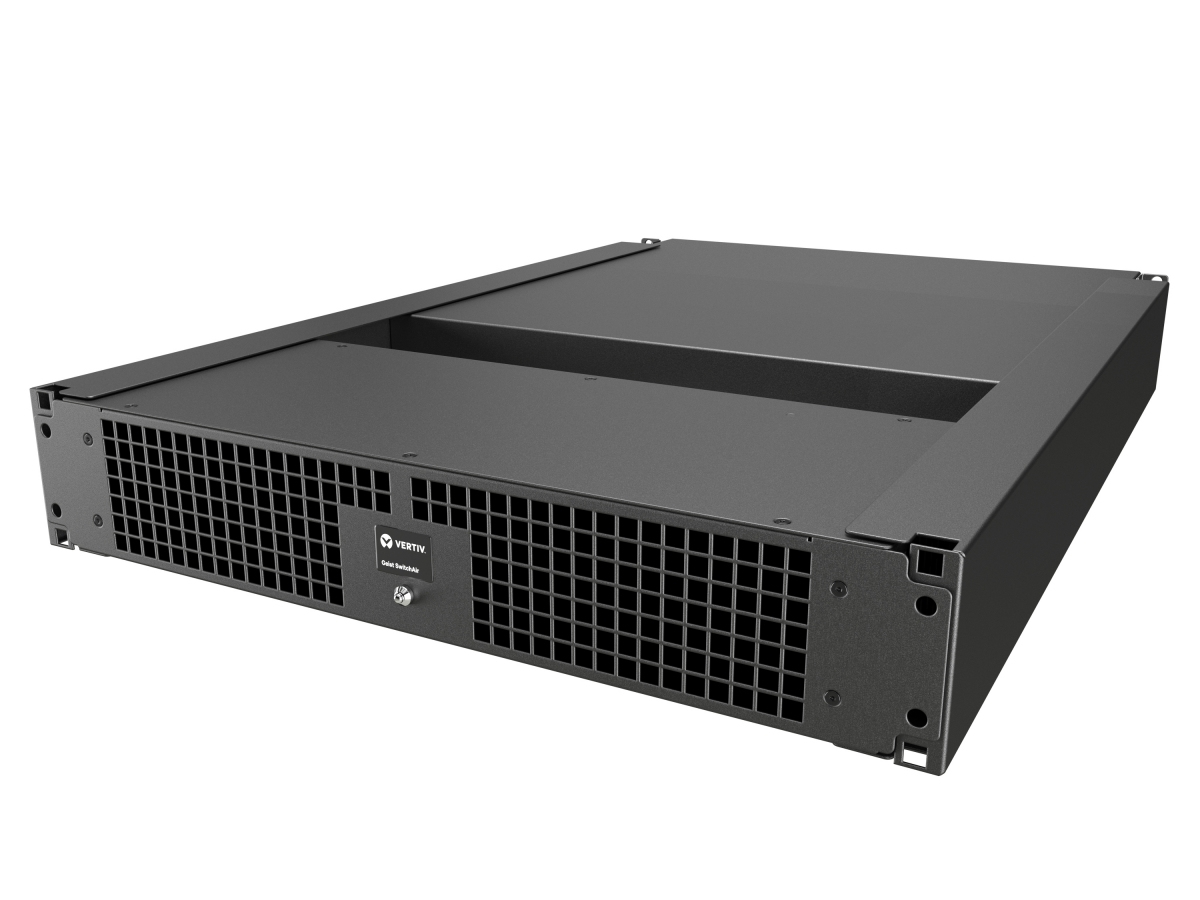
Vertiv SA2-004 Vertiv SA2-004 network equipment chassis 2U Black
Network switches, load balancers, and routers typically sit at the top and back portion of the rack. This placement makes it difficult for cold air to travel from the front of the rack to the air intakes of the network switch equipment, increasing chances of failure over time. SwitchAir helps prevent failure by channeling cool air from the front of the rack to the air intakes regardless of where the equipment is mounted.
Part# SA2-004
SKU S19454
In
Stock
Intel
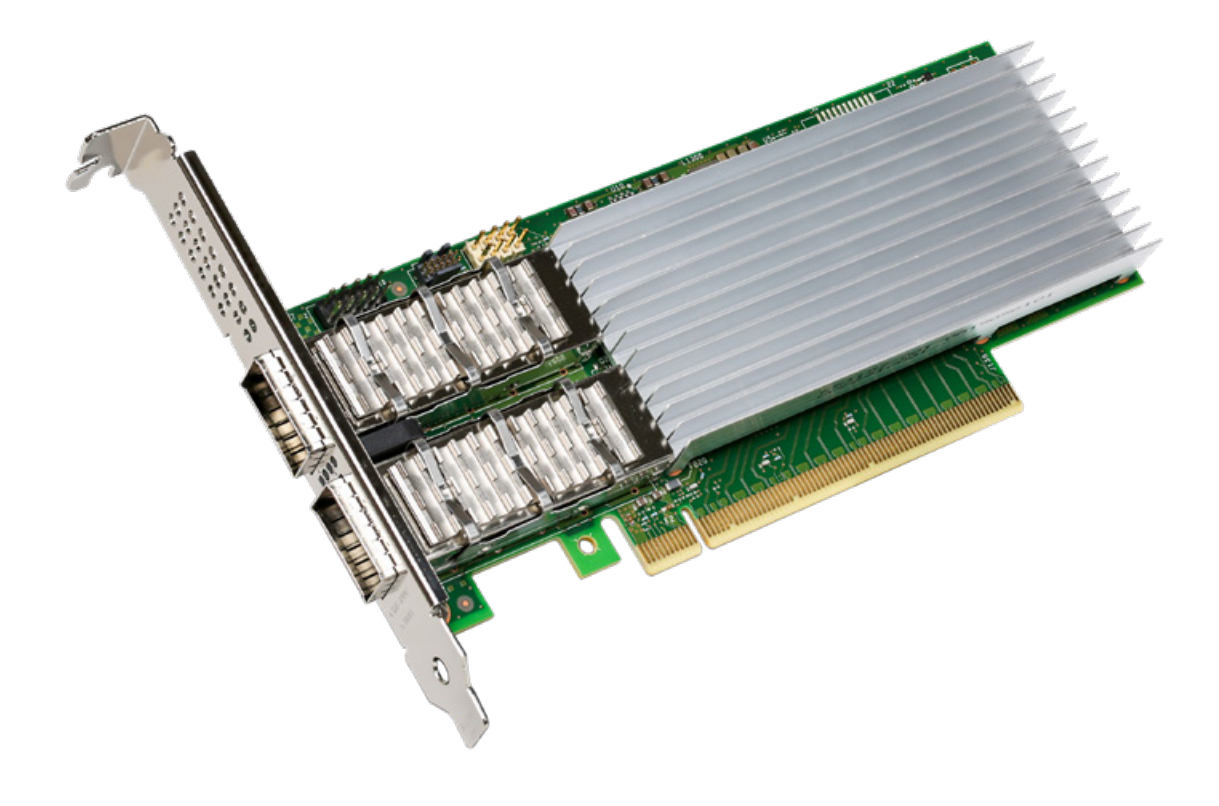
Intel E810CQDA2 Intel Ethernet Network Adapter E810-CQDA2 Internal Fiber 100000 Mbit/s
Part# E810CQDA2
SKU S19454
In
Stock
Vertiv
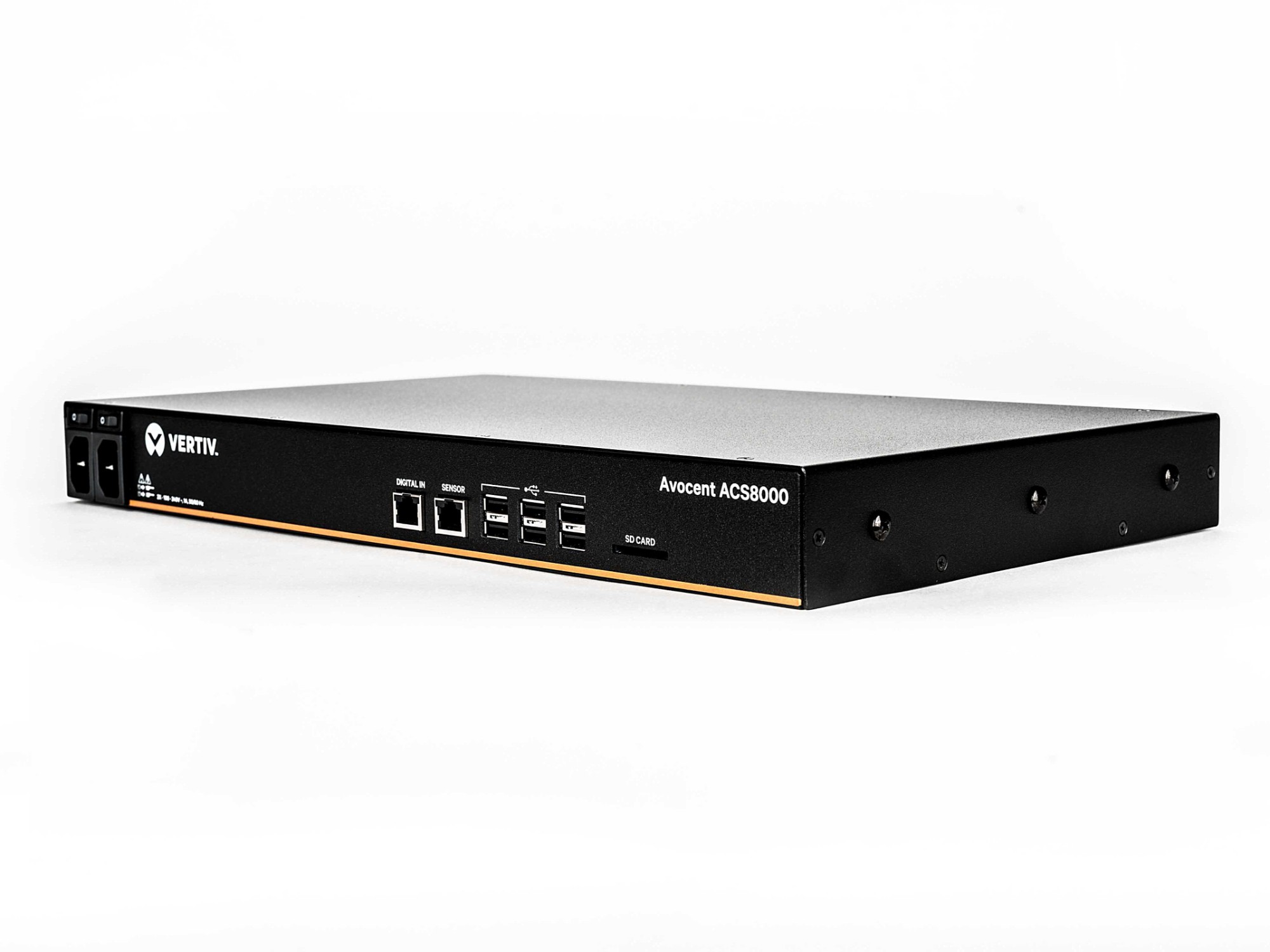
Vertiv ACS8048MDAC-404 Vertiv Avocent 48-Port ACS 8000 with dual AC Power Supply and Analog Modem - ACS8048MDAC-404
The Avocent ACS 8000 advanced console server offers upgraded and advanced features, that deliver scalable and high-performance solutions for IT administrators. The console server features a dual ARM core processor platform with dual Gigabit Ethernet ports and dual Gigabit fiber ports for redundancy. In addition, there is a sensor port, to connect a variety of sensors for monitoring and logging on the appliance. The serial ports are auto sensing for pin-out and the Avocent ACS 8000 advanced console server also offers robust features to meet the requirements of the demanding data center management applications. Features combine automated discovery tools to ease identification of servers, routers, switches and power devices, connected to any serial port, saving time at initial configuration and installation. To comply with existing data center network access policy, the Avocent ACS 8000 advanced console server provides customizable, multiple access levels for secure management. The console servers provide a complete solution for secure, remote control with advanced console server features, such as enhanced security, data logging and event monitoring. In addition, the Avocent ACS 8000 advanced console server supports network standards, such as Internet Protocol version 6 (IPv6).
Part# ACS8048MDAC-404
SKU S19454
In
Stock

Intel
Intel BX806895320 Intel Xeon Gold 5320 processor 2.2 GHz 39 MB Box
Intel® Trusted Execution TechnologyIntel® Trusted Execution Technology for safer computing is a versatile set of hardware extensions to Intel® processors and chipsets that enhance the digital office platform with security capabilities such as measured launch and protected execution. It enables an environment where applications can run within their own space, protected from all other software on the system.Intel® Virtualization Technology for Directed I/O (VT-d)Intel® Virtualization Technology for Directed I/O (VT-d) continues from the existing support for IA-32 (VT-x) and Itanium® processor (VT-i) virtualization adding new support for I/O-device virtualization. Intel VT-d can help end users improve security and reliability of the systems and also improve performance of I/O devices in virtualized environments.Intel® Virtualization Technology (VT-x)Intel® Virtualization Technology (VT-x) allows one hardware platform to function as multiple âvirtualâ platforms. It offers improved manageability by limiting downtime and maintaining productivity by isolating computing activities into separate partitions.Intel® 64Intel® 64 architecture delivers 64-bit computing on server, workstation, desktop and mobile platforms when combined with supporting software.¹ Intel 64 architecture improves performance by allowing systems to address more than 4 GB of both virtual and physical memory.CacheCPU Cache is an area of fast memory located on the processor. Intel® Smart Cache refers to the architecture that allows all cores to dynamically share access to the last level cache.Intel® AES New InstructionsIntel® AES New Instructions (Intel® AES-NI) are a set of instructions that enable fast and secure data encryption and decryption. AES-NI are valuable for a wide range of cryptographic applications, for example: applications that perform bulk encryption/decryption, authentication, random number generation, and authenticated encryption.Intel® Turbo Boost TechnologyIntel® Turbo Boost Technology dynamically increases the processor's frequency as needed by taking advantage of thermal and power headroom to give you a burst of speed when you need it, and increased energy efficiency when you donât.Max Turbo FrequencyMax Turbo Frequency is the maximum single-core frequency at which the processor is capable of operating using Intel® Turbo Boost Technology and, if present, Intel® Turbo Boost Max Technology 3.0 and Intel® Thermal Velocity Boost. Frequency is typically measured in gigahertz (GHz), or billion cycles per second.Execute Disable BitExecute Disable Bit is a hardware-based security feature that can reduce exposure to viruses and malicious-code attacks and prevent harmful software from executing and propagating on the server or network.Intel® Hyper-Threading TechnologyIntel® Hyper-Threading Technology (Intel® HT Technology) delivers two processing threads per physical core. Highly threaded applications can get more work done in parallel, completing tasks sooner.Intel® VT-x with Extended Page Tables (EPT)Intel® VT-x with Extended Page Tables (EPT), also known as Second Level Address Translation (SLAT), provides acceleration for memory intensive virtualized applications. Extended Page Tables in Intel® Virtualization Technology platforms reduces the memory and power overhead costs and increases battery life through hardware optimization of page table management.Intel® Speed Shift TechnologyIntel® Speed Shift Technology uses hardware-controlled P-states to deliver dramatically quicker responsiveness with single-threaded, transient (short duration) workloads, such as web browsing, by allowing the processor to more quickly select its best operating frequency and voltage for optimal performance and power efficiency.Intel® Crypto AccelerationIntel® Crypto Acceleration reduces the performance impact of pervasive encryption and increases the performance of encryption-intensive workloads including SSL web serving, 5G infrastructure, and VPN/firewalls.Intel® Software Guard Extensions (Intel® SGX)Intel® Software Guard Extensions (Intel® SGX) provide applications the ability to create hardware enforced trusted execution protection for their applicationsâ sensitive routines and data. Intel® SGX provides developers a way to partition their code and data into CPU hardened trusted execution environments (TEEâs).Intel® Speed Select Technology â Core PowerEnables flexibility for workloads that benefit from higher base frequency on a subset of the processorâs cores. While the max turbo frequency across the cores remain constant across the cores, a subset of the cores can be assigned as to run at a higher base frequency than specified, while the other cores run at lower base frequency.Intel® Speed Select Technology â Turbo FrequencyEnables flexibility for workloads that benefit from higher turbo frequency on a subset of the processorâs cores. While the base frequency remains constant across the cores, a subset of the cores can be assigned to run at a higher turbo frequency than specified, while the other cores run at lower turbo frequency.Intel® Deep Learning Boost (Intel® DL Boost) on CPUA new set of embedded processor technologies designed to accelerate AI deep learning use cases. It extends Intel AVX-512 with a new Vector Neural Network Instruction (VNNI) that significantly increases deep learning inference performance over previous generations.Instruction Set ExtensionsInstruction Set Extensions are additional instructions which can increase performance when the same operations are performed on multiple data objects. These can include SSE (Streaming SIMD Extensions) and AVX (Advanced Vector Extensions).Intel® Run Sure TechnologyIntel® Run Sure Technology, includes advanced RAS (reliability, availability and serviceability) features that deliver high reliability and platform resiliency, to maximize uptime of servers running mission-critical workloads.Intel® Total Memory EncryptionTME â Total Memory Encryption (TME) helps protect data against exposure via physical attack on memory, such as cold-boot attacks.Max # of UPI LinksIntel® Ultra Path Interconnect (UPI) links are a high speed, point-to-point interconnect bus between the processors, delivering increased bandwidth and performance over Intel® QPI.# of AVX-512 FMA UnitsIntel® Advanced Vector Extensions 512 (AVX-512), new instruction set extensions, delivering ultra-wide (512-bit) vector operations capabilities, with up to 2 FMAs (Fused Multiply Add instructions), to accelerate performance for your most demanding computational tasks.Intel® Resource Director Technology (Intel® RDT)Intel® RDT brings new levels of visibility and control over how shared resources such as last-level cache (LLC) and memory bandwidth are used by applications, virtual machines (VMs) and containers.Intel® Speed Select Technology - Base FrequencyEnables users to increase guaranteed base frequency on certain cores (high priority cores) in exchange for lower base frequency on remaining cores (low priority cores). Improves overall performance by boosting frequency on critical cores.Intel® Volume Management Device (VMD)Intel® Volume Management Device (VMD) provides a common, robust method of hot plug and LED management for NVMe-based solid state drives.Intel® Optane⢠Persistent Memory SupportedIntel® Optane⢠persistent memory is a revolutionary tier of non-volatile memory that sits between memory and storage to provide large, affordable memory capacity that is comparable to DRAM performance.  Delivering large system-level memory capacity when combined with traditional DRAM, Intel Optane persistent memory is helping transform critical memory constrained workloads â from cloud, databases, in-memory analytics, virtualization, and content delivery networks.Mode-based Execute Control (MBEC)Mode-based Execute Control can more reliably verify and enforce the integrity of kernel level code.Intel® Transactional Synchronization ExtensionsIntel® Transactional Synchronization Extensions (Intel® TSX) are a set of instructions that add hardware transactional memory support to improve performance of multi-threaded software.
Part# BX806895320
SKU S19454
In
Stock
HPE
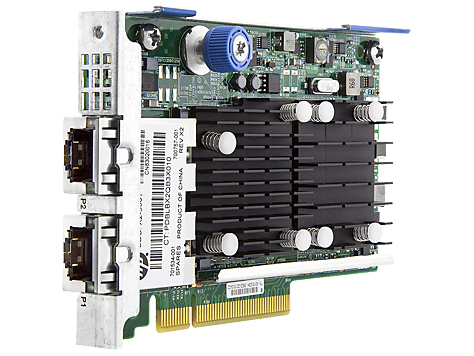
HPE 701534-001 HPE 701534-001 network card Internal Ethernet 10000 Mbit/s
Part# 701534-001
SKU S19454
In
Stock

Item(s) added to cart

