
 0
0
Computer Components
2590 –
2600
of
4773
Availability
Sort by
Advance Filters
Cisco
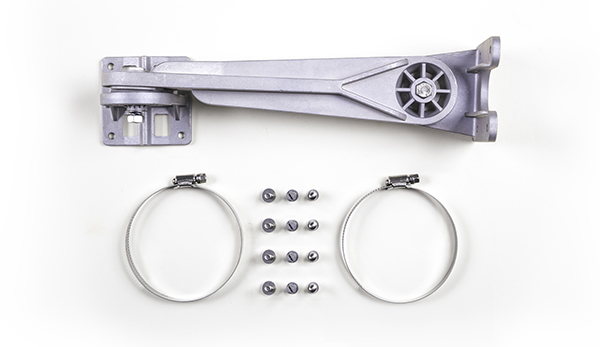
Cisco MA-MNT-ANT-2 Cisco Meraki MA-MNT-ANT-2 mounting kit
Mounting hardware included
Part# MA-MNT-ANT-2
SKU S19454
In
Stock


Honeywell
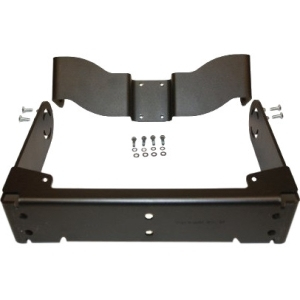
Honeywell VM1010BRKTKIT Honeywell VM1010BRKTKIT mounting kit Black
Includes U-Bracket, adapter bracket and all required hardware.
Part# VM1010BRKTKIT
SKU S19454
In
Stock
Origin Storage
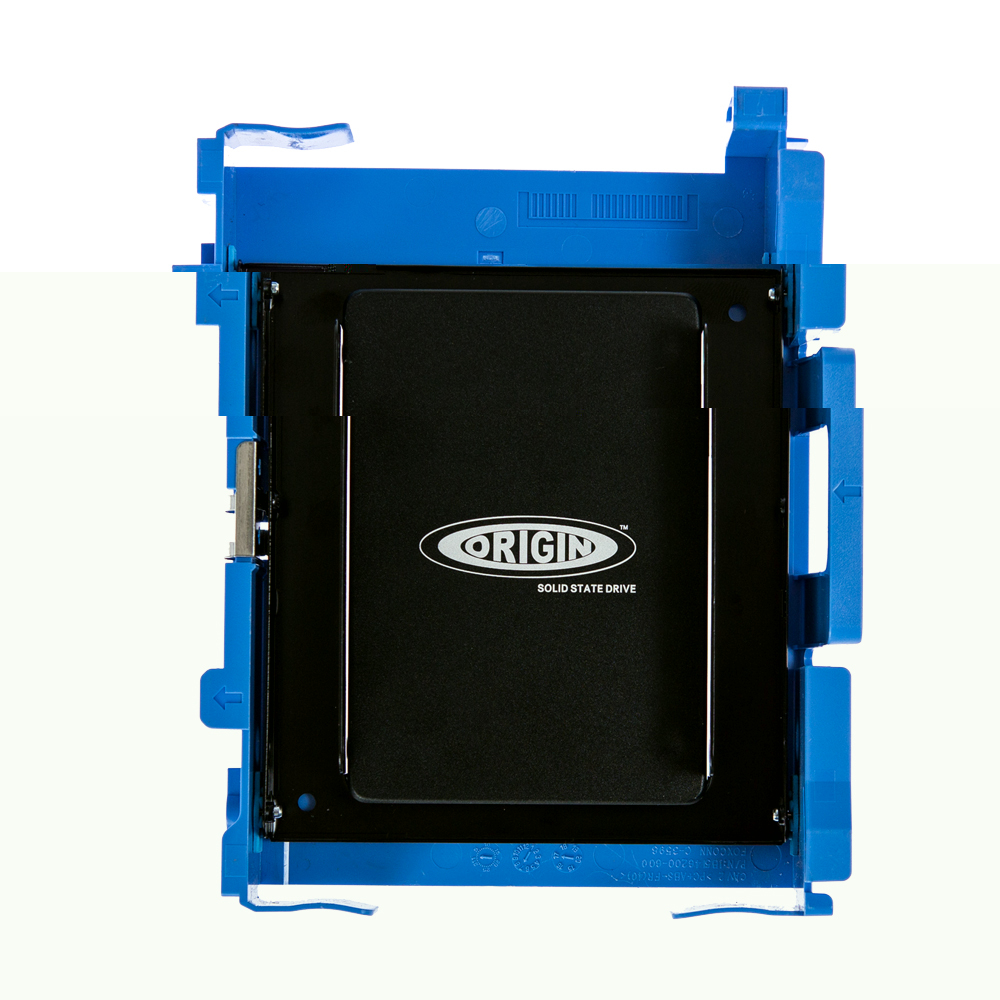
Origin Storage FK-DELL-3040/3-CK Origin Storage 3.5in Caddy: Optiplex 3040/5040/7040SFF inc 2.5in-3.5in Conversion Kit
Origin Storage is a global supplier of IT storage solutions and components. The company's product portfolio includes hard disk drive solutions, RAID solutions and OEM parts. Origin Storage prides itself on superior customer service, competitive pricing and knowledgeable sales staff. The company is unique, not only in its product range but also in its philosophy, which adds up to a professional purchasing experience. Origin Storage - the ideal partner for all your storage management needs.
Part# FK-DELL-3040/3-CK
SKU S19454
In
Stock
Origin Storage
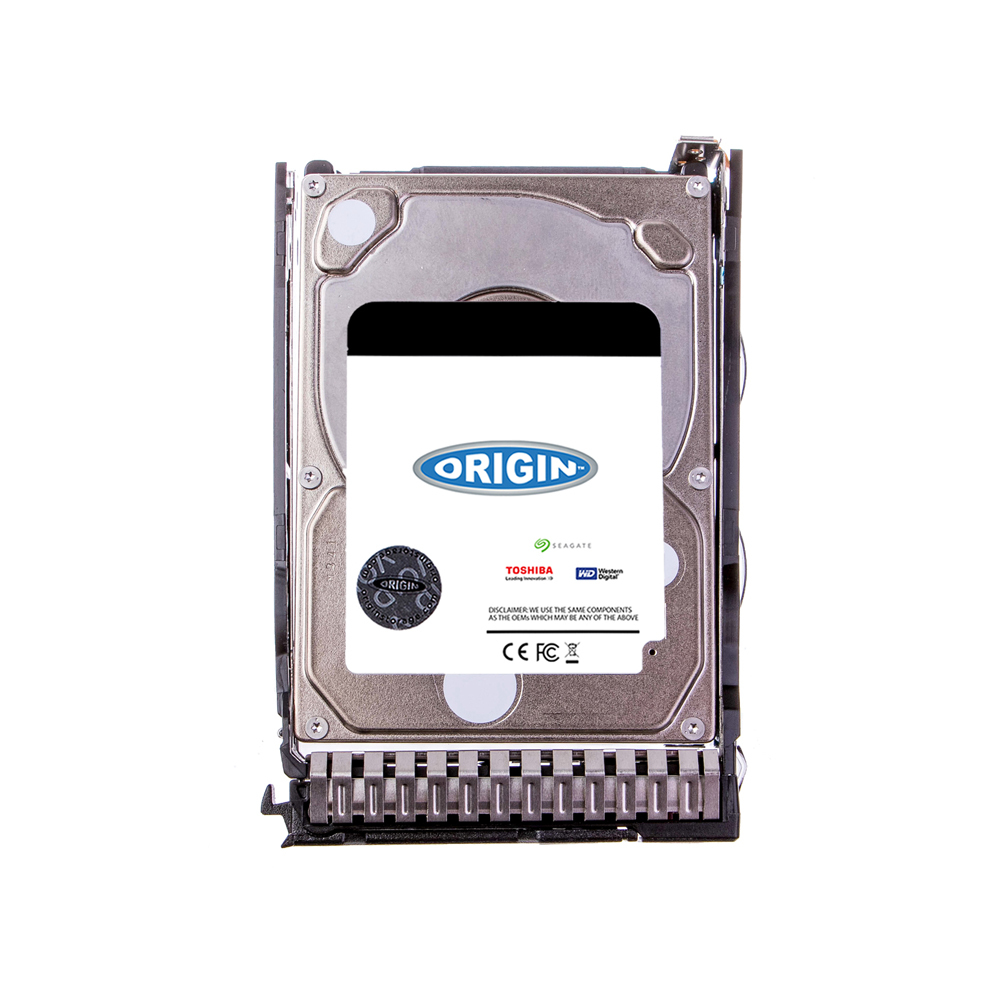
Origin Storage FK-CQ-GEN10NVME-2.5 Origin Storage Caddy: Proliant DL/ML G9/10 for 2.5inch NVME PCIE U.2 SSDs
Origin Storage CADDY: PROLIANT DL/ML G9/10 FOR 2.5INCH NVME PCIE U.2 SSDS
Part# FK-CQ-GEN10NVME-2.5
SKU S19454
In
Stock
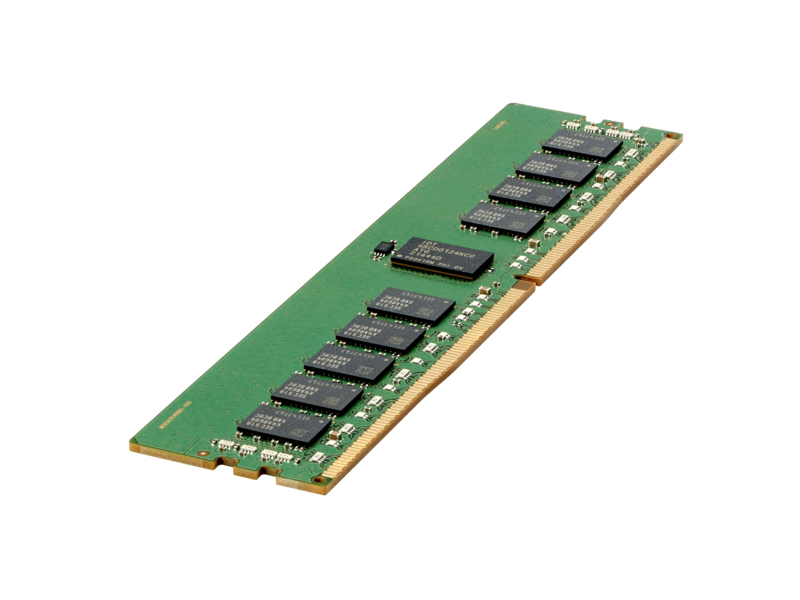
HPE
HPE 879505-B21 HPE 879505-B21 memory module 8 GB 1 x 8 GB DDR4 2666 MHz
Part# 879505-B21
SKU S19454
In
Stock
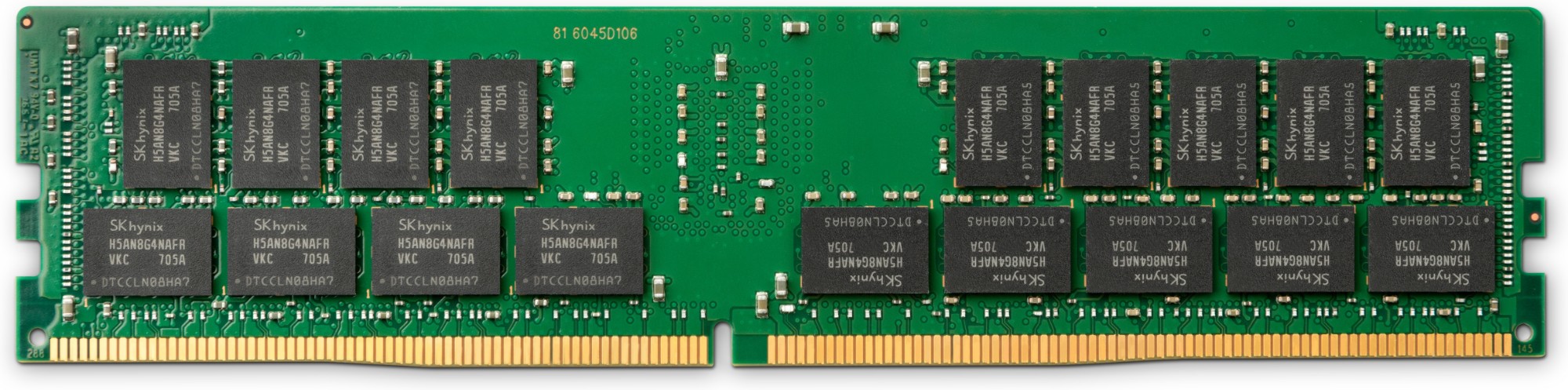
HP
HP 5YZ55AT HP 5YZ55AT memory module 32 GB 1 x 32 GB DDR4 2933 MHz ECC
Optimize your HP Workstation performance and maximize reliabilityBoost the capabilities of your HP Workstation and improve system performance and memory reliability with low-power, high-speed DDR4 memory from HP, fully tested and supported with HP Workstations for your peace of mind.
Part# 5YZ55AT
SKU S19454
In
Stock
Intel
Intel CM8068403874521 Intel Core i7-9700 processor 3 GHz 12 MB Smart Cache
Intel® Optane⢠Memory SupportedIntel® Optane⢠memory is a revolutionary new class of non-volatile memory that sits in between system memory and storage to accelerate system performance and responsiveness. When combined with the Intel® Rapid Storage Technology Driver, it seamlessly manages multiple tiers of storage while presenting one virtual drive to the OS, ensuring that data frequently used resides on the fastest tier of storage. Intel® Optane⢠memory requires specific hardware and software configuration.Intel® Turbo Boost TechnologyIntel® Turbo Boost Technology dynamically increases the processor's frequency as needed by taking advantage of thermal and power headroom to give you a burst of speed when you need it, and increased energy efficiency when you donât.Intel® vPro⢠Platform EligibilityIntel® vPro⢠Technology is a set of security and manageability capabilities built into the processor aimed at addressing four critical areas of IT security: 1) Threat management, including protection from rootkits, viruses, and malware 2) Identity and web site access point protection 3) Confidential personal and business data protection 4) Remote and local monitoring, remediation, and repair of PCs and workstations.Intel® Virtualization Technology (VT-x)Intel® Virtualization Technology (VT-x) allows one hardware platform to function as multiple âvirtualâ platforms. It offers improved manageability by limiting downtime and maintaining productivity by isolating computing activities into separate partitions.Intel® Virtualization Technology for Directed I/O (VT-d)Intel® Virtualization Technology for Directed I/O (VT-d) continues from the existing support for IA-32 (VT-x) and Itanium® processor (VT-i) virtualization adding new support for I/O-device virtualization. Intel VT-d can help end users improve security and reliability of the systems and also improve performance of I/O devices in virtualized environments.Intel® VT-x with Extended Page Tables (EPT)Intel® VT-x with Extended Page Tables (EPT), also known as Second Level Address Translation (SLAT), provides acceleration for memory intensive virtualized applications. Extended Page Tables in Intel® Virtualization Technology platforms reduces the memory and power overhead costs and increases battery life through hardware optimization of page table management.Intel® TSX-NIIntel® Transactional Synchronization Extensions New Instructions (Intel® TSX-NI) are a set of instructions focused on multi-threaded performance scaling. This technology helps make parallel operations more efficient via improved control of locks in software.Intel® 64Intel® 64 architecture delivers 64-bit computing on server, workstation, desktop and mobile platforms when combined with supporting software.¹ Intel 64 architecture improves performance by allowing systems to address more than 4 GB of both virtual and physical memory.Instruction SetAn instruction set refers to the basic set of commands and instructions that a microprocessor understands and can carry out. The value shown represents which Intelâs instruction set this processor is compatible with.Instruction Set ExtensionsInstruction Set Extensions are additional instructions which can increase performance when the same operations are performed on multiple data objects. These can include SSE (Streaming SIMD Extensions) and AVX (Advanced Vector Extensions).Idle StatesIdle States (C-states) are used to save power when the processor is idle. C0 is the operational state, meaning that the CPU is doing useful work. C1 is the first idle state, C2 the second, and so on, where more power saving actions are taken for numerically higher C-states.Enhanced Intel SpeedStep® TechnologyEnhanced Intel SpeedStep® Technology is an advanced means of enabling high performance while meeting the power-conservation needs of mobile systems. Conventional Intel SpeedStep® Technology switches both voltage and frequency in tandem between high and low levels in response to processor load. Enhanced Intel SpeedStep® Technology builds upon that architecture using design strategies such as Separation between Voltage and Frequency Changes, and Clock Partitioning and Recovery.Thermal Monitoring TechnologiesThermal Monitoring Technologies protect the processor package and the system from thermal failure through several thermal management features. An on-die Digital Thermal Sensor (DTS) detects the core's temperature, and the thermal management features reduce package power consumption and thereby temperature when required in order to remain within normal operating limits.Intel® Identity Protection TechnologyIntel® Identity Protection Technology is a built-in security token technology that helps provide a simple, tamper-resistant method for protecting access to your online customer and business data from threats and fraud. Intel® IPT provides a hardware-based proof of a unique userâs PC to websites, financial institutions, and network services; providing verification that it is not malware attempting to login. Intel® IPT can be a key component in two-factor authentication solutions to protect your information at websites and business log-ins.Intel® Stable Image Platform Program (SIPP)Intel® Stable Image Platform Program (Intel® SIPP) can help your company identify and deploy standardized, stable image PC platforms for at least 15 months.
Part# CM8068403874521
SKU S19454
In
Stock
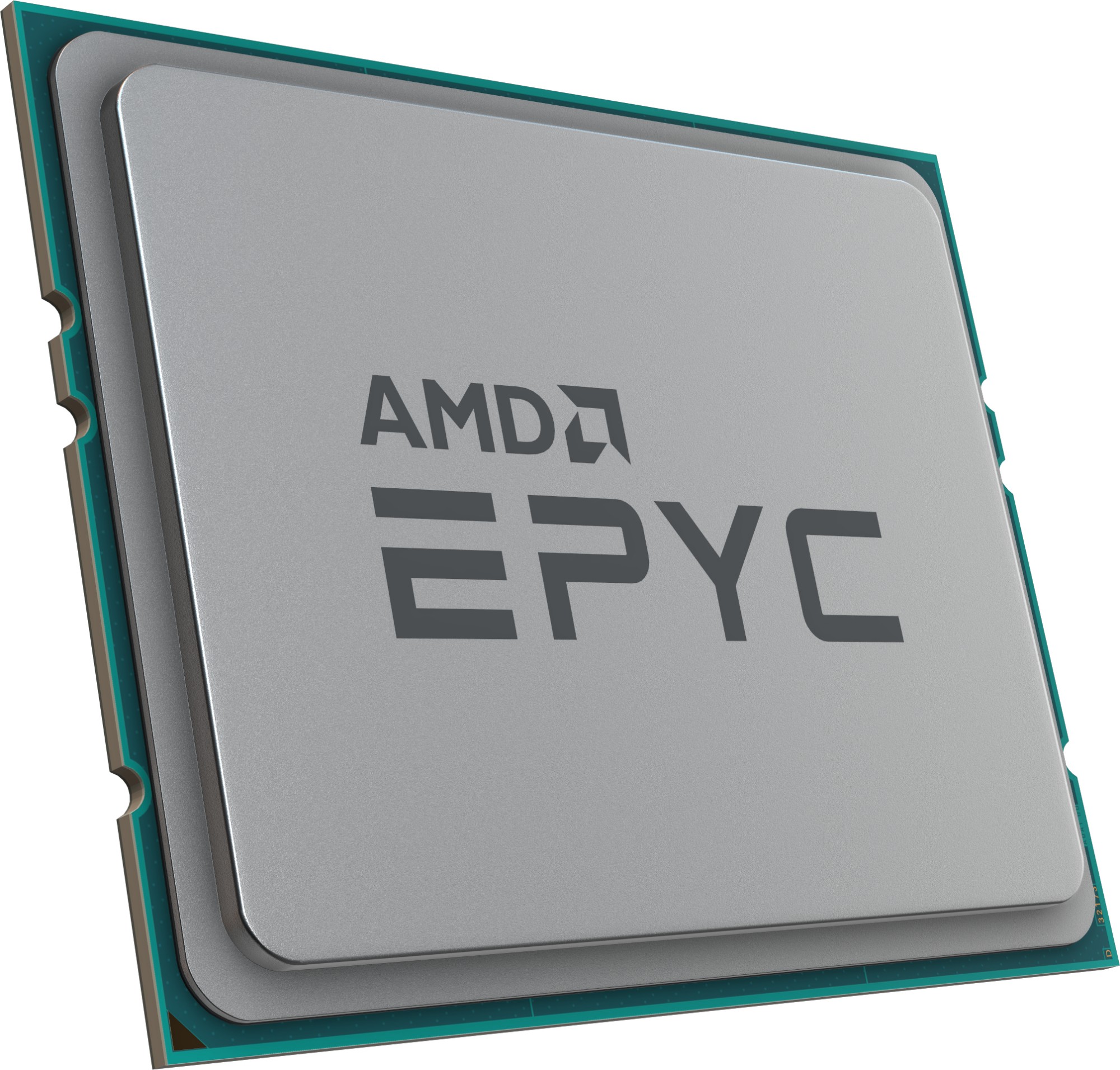
AMD
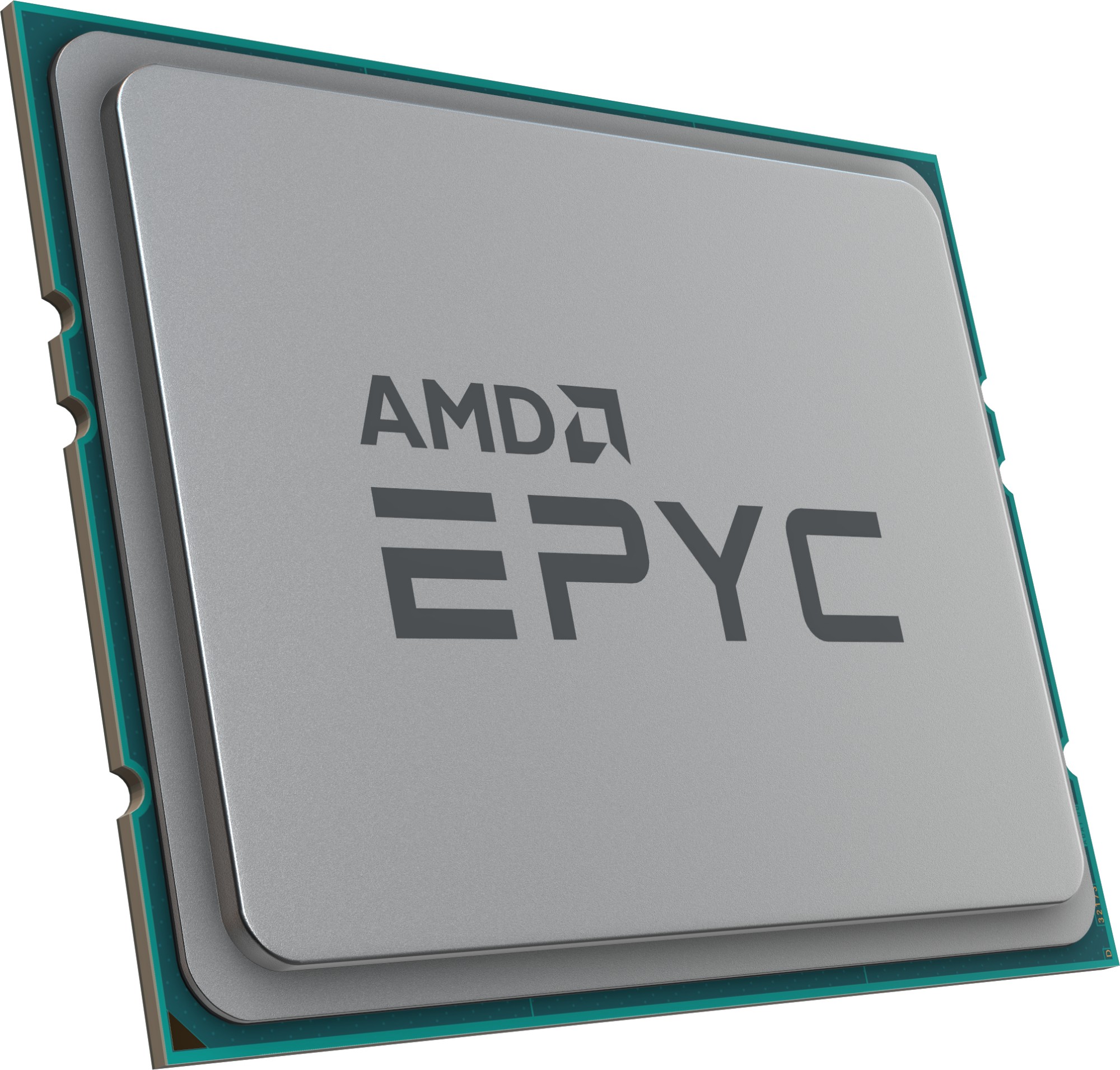
AMD 100-000000078 AMD EPYC 7282 processor 2.8 GHz 64 MB L3
2nd Gen AMD EPYC are a new breed of server processors which sets a higher standard for data centers. Groundbreaking design makes AMD EPYC #1 in performance across industry standard benchmarks, holding 80 world records to date. Performance you can count on to propel your modern data center workloads. âHardened at the Coreâ protection helps defend against side-channel attacks and EPYC's secure encrypted virtualization features help keep your data safe. The processorâs agility helps you manage new deployments and changing workloads, with the system resources you need, simply and cost-effectively. AMD is the server processor company you can count on for innovation and leadership today and into the future.Performance LeadershipVirtually everything runs better on AMD EPYC 7002 Series powered servers. Whether you run enterprise applications, virtualized and cloud computing environments, software-defined infrastructure, high-performance computing, or data analytic applications. EPYC processor-based systems are #1 on industry benchmarks, including those measuring integer, floating-point, virtualization, database, and HPC performance. AMD EPYC 7742 processor has set new world records that establish AMD as THE performance leader.The secret is under the hoodAMD Infinity Architecture is a hybrid multi-die architecture that is reaching new heights with AMD EPYC 7002 Series processors. AMD Infinity Architecture now decouples two streams: eight dies for the processor cores, and one I/O die that supports security and communication outside the processor. With the agility to deliver the leading-edge process technology for CPU cores while letting I/O circuitry develop at its own rate, new capabilities can be brought to market faster with EPYC because its die design is not monolithic. This has allowed EPYC to race to leadership in the market and continue to innovate in the future.Forged from the finest siliconAMD is first to market an x86 processor based on 7nm technology. With double the core density and optimizations that improve instructions per cycle, the result is 4x the Floating-Point performance of 1st Gen AMD EPYC.7nm process technology also brings energy efficiency. 2nd Gen AMD EPYC can provide the same performance at half the power consumption.EPYC by the numbersAMD EPYC has been engineered for data centers that rely on CPU performance. From oil and gas exploration, to in-memory databases, to big data analytics to production rendering to standard data center applications, highly parallel workloads have more cores to work with. AMD EPYC 7002 generation processors scale from 8 to 64 cores (16 to 128 threads per socket). No other x86 vendor today enables such a core density in the market.Be top of the security chainAMD EPYC is âHardened at the Coreâ with advanced security features. It is the first server CPU with an integrated and dedicated security processor providing the foundation for Secure Boot, Secure Memory Encryption (SME) and Secure Encrypted Virtualization (SEV). So you can worry less about data risk and focus more on running your business.Enabling software boot without corruptionThe AMD EPYC processor secure root of trust is designed to validate the initial BIOS software boot without corruption. In virtualized environments, you can cryptographically check that your entire software stack is booted without corruption on a cloud server or services you choose. Restrict internal vulnerabilitiesWith encrypted memory, attacks on the integrity of main memory (such as cold-boot attacks) are inhibited because any data obtained is encrypted. High-performance encryption engines integrated into the memory channels help speed performance. All of this is accomplished without modifications to your application software.Safeguarding virtual and cloud infrastructure2nd Gen EPYC helps safeguard privacy and integrity by encrypting each virtual machine with one of up to 509 unique encryption keys known only to the processor. This aids in protecting confidentiality of your data even if a malicious virtual machine finds a way into your virtual machineâs memory, or a compromised hypervisor reaches into a guest virtual machine.All-in feature setAMD takes pride in having transparent relationships with its partners and customers. This means having an âall-inâ feature set that isnât contrived to extract higher prices from customers.With AMD EPYC, you have the agility to choose the processor your application requires without worrying about whether an important feature or capability is included. Whatever the number of cores you choose, youâll have the I/O, memory, and memory bandwidth to accomplish what you need.First-to-market PCIe 4.0 readinessAMD EPYC is the first and only current x86-architecture server processor supporting PCIe 4.06. PCIe 4.0 delivers double the I/O performance over PCIe 3.0. You can use 128 lanes of I/O to double the network bandwidth that ties together HPC clusters and satisfies voracious needs for east-west bandwidth. For other application needs and in virtualized environments, you can connect with higher speed to GPU accelerators, NVMe drives, and you can even use integrated disk controllers to access spinning disks without the typical bottleneck of a PCIe RAID controller.X86 compatibilityYou can have confidence in AMD EPYC 7002 generation processors because virtually all software will just work. We work with the open source community and major software vendors to help ensure your applications and enabling software will work exceptionally well with EPYC. The broad ecosystem of open tools and libraries are more reasons why top cloud providers such as AWS, Microsoft Azure, Oracle Cloud are providing services to customers based on AMD EPYC processors.1-Socket EPYC server advantageTraditional CPUs typically must scale up to a 2-socket server to overcome an imbalance of resources. With AMD EPYC, 1-socket servers satisfy most of your workload needs, helping you increase density and reduce capital, power, and cooling expenses.With a 1-socket EPYC server, you can cut licensing costs up to 50% with âper-socket softwareâ such as VMware vSphere or vSAN.
Part# 100-000000078
SKU S19454
In
Stock
AMD
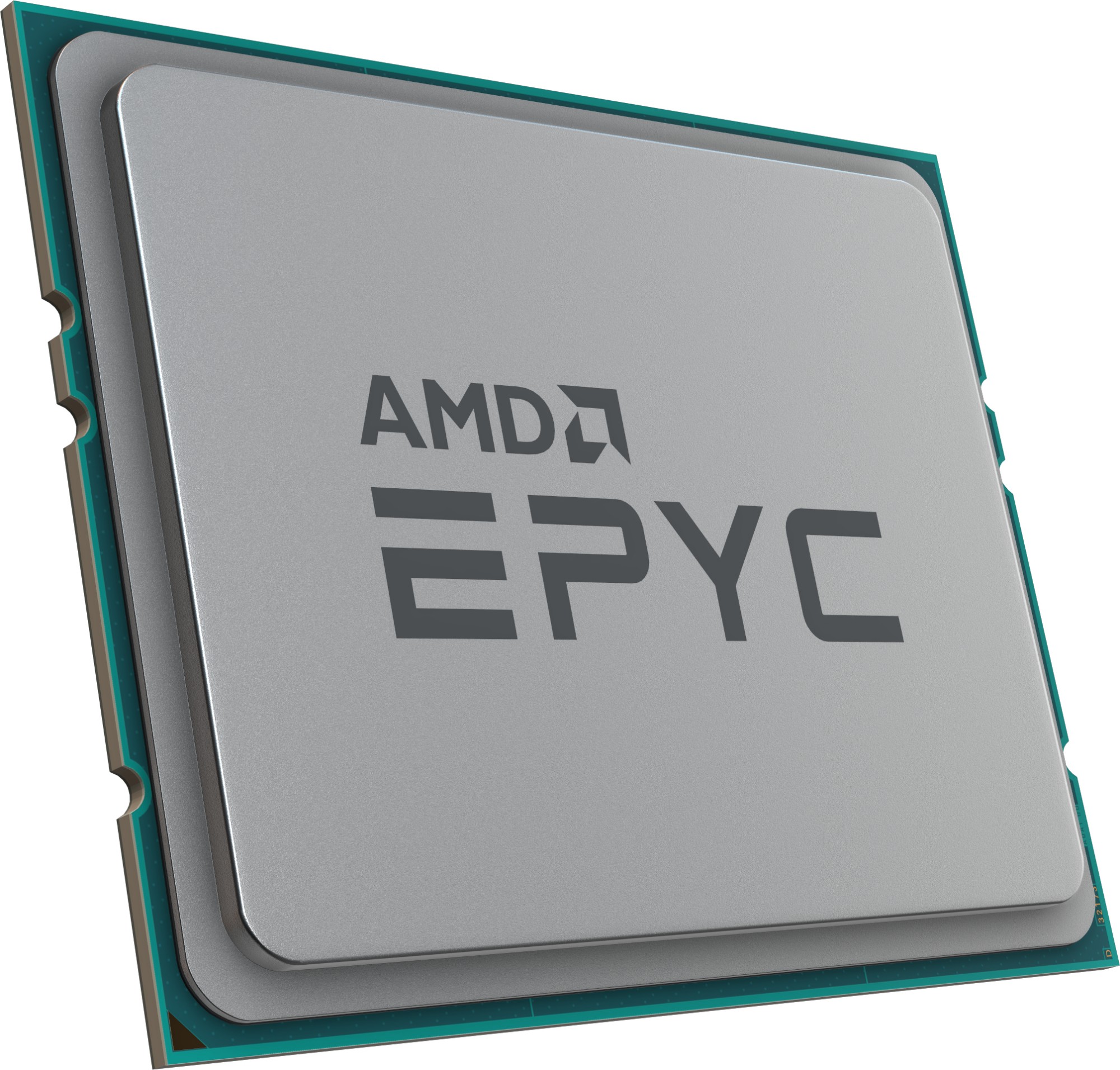
AMD 100-000000046 AMD EPYC 7402 processor 2.8 GHz 128 MB L3
2nd Gen AMD EPYC are a new breed of server processors which sets a higher standard for data centers. Groundbreaking design makes AMD EPYC #1 in performance across industry standard benchmarks, holding 80 world records to date. Performance you can count on to propel your modern data center workloads. âHardened at the Coreâ protection helps defend against side-channel attacks and EPYC's secure encrypted virtualization features help keep your data safe. The processorâs agility helps you manage new deployments and changing workloads, with the system resources you need, simply and cost-effectively. AMD is the server processor company you can count on for innovation and leadership today and into the future.Performance LeadershipVirtually everything runs better on AMD EPYC 7002 Series powered servers. Whether you run enterprise applications, virtualized and cloud computing environments, software-defined infrastructure, high-performance computing, or data analytic applications. EPYC processor-based systems are #1 on industry benchmarks, including those measuring integer, floating-point, virtualization, database, and HPC performance. AMD EPYC 7742 processor has set new world records that establish AMD as THE performance leader.The secret is under the hoodAMD Infinity Architecture is a hybrid multi-die architecture that is reaching new heights with AMD EPYC 7002 Series processors. AMD Infinity Architecture now decouples two streams: eight dies for the processor cores, and one I/O die that supports security and communication outside the processor. With the agility to deliver the leading-edge process technology for CPU cores while letting I/O circuitry develop at its own rate, new capabilities can be brought to market faster with EPYC because its die design is not monolithic. This has allowed EPYC to race to leadership in the market and continue to innovate in the future.Forged from the finest siliconAMD is first to market an x86 processor based on 7nm technology. With double the core density and optimizations that improve instructions per cycle, the result is 4x the Floating-Point performance of 1st Gen AMD EPYC.7nm process technology also brings energy efficiency. 2nd Gen AMD EPYC can provide the same performance at half the power consumption.EPYC by the numbersAMD EPYC has been engineered for data centers that rely on CPU performance. From oil and gas exploration, to in-memory databases, to big data analytics to production rendering to standard data center applications, highly parallel workloads have more cores to work with. AMD EPYC 7002 generation processors scale from 8 to 64 cores (16 to 128 threads per socket). No other x86 vendor today enables such a core density in the market.Be top of the security chainAMD EPYC is âHardened at the Coreâ with advanced security features. It is the first server CPU with an integrated and dedicated security processor providing the foundation for Secure Boot, Secure Memory Encryption (SME) and Secure Encrypted Virtualization (SEV). So you can worry less about data risk and focus more on running your business.Enabling software boot without corruptionThe AMD EPYC processor secure root of trust is designed to validate the initial BIOS software boot without corruption. In virtualized environments, you can cryptographically check that your entire software stack is booted without corruption on a cloud server or services you choose. Restrict internal vulnerabilitiesWith encrypted memory, attacks on the integrity of main memory (such as cold-boot attacks) are inhibited because any data obtained is encrypted. High-performance encryption engines integrated into the memory channels help speed performance. All of this is accomplished without modifications to your application software.Safeguarding virtual and cloud infrastructure2nd Gen EPYC helps safeguard privacy and integrity by encrypting each virtual machine with one of up to 509 unique encryption keys known only to the processor. This aids in protecting confidentiality of your data even if a malicious virtual machine finds a way into your virtual machineâs memory, or a compromised hypervisor reaches into a guest virtual machine.All-in feature setAMD takes pride in having transparent relationships with its partners and customers. This means having an âall-inâ feature set that isnât contrived to extract higher prices from customers.With AMD EPYC, you have the agility to choose the processor your application requires without worrying about whether an important feature or capability is included. Whatever the number of cores you choose, youâll have the I/O, memory, and memory bandwidth to accomplish what you need.First-to-market PCIe 4.0 readinessAMD EPYC is the first and only current x86-architecture server processor supporting PCIe 4.06. PCIe 4.0 delivers double the I/O performance over PCIe 3.0. You can use 128 lanes of I/O to double the network bandwidth that ties together HPC clusters and satisfies voracious needs for east-west bandwidth. For other application needs and in virtualized environments, you can connect with higher speed to GPU accelerators, NVMe drives, and you can even use integrated disk controllers to access spinning disks without the typical bottleneck of a PCIe RAID controller.X86 compatibilityYou can have confidence in AMD EPYC 7002 generation processors because virtually all software will just work. We work with the open source community and major software vendors to help ensure your applications and enabling software will work exceptionally well with EPYC. The broad ecosystem of open tools and libraries are more reasons why top cloud providers such as AWS, Microsoft Azure, Oracle Cloud are providing services to customers based on AMD EPYC processors.1-Socket EPYC server advantageTraditional CPUs typically must scale up to a 2-socket server to overcome an imbalance of resources. With AMD EPYC, 1-socket servers satisfy most of your workload needs, helping you increase density and reduce capital, power, and cooling expenses.With a 1-socket EPYC server, you can cut licensing costs up to 50% with âper-socket softwareâ such as VMware vSphere or vSAN.
Part# 100-000000046
SKU S19454
In
Stock
AMD
AMD 100-000000074 AMD EPYC 7642 processor 2.3 GHz 256 MB L3
2nd Gen AMD EPYC are a new breed of server processors which sets a higher standard for data centers. Groundbreaking design makes AMD EPYC #1 in performance across industry standard benchmarks, holding 80 world records to date. Performance you can count on to propel your modern data center workloads. âHardened at the Coreâ protection helps defend against side-channel attacks and EPYC's secure encrypted virtualization features help keep your data safe. The processorâs agility helps you manage new deployments and changing workloads, with the system resources you need, simply and cost-effectively. AMD is the server processor company you can count on for innovation and leadership today and into the future.Performance LeadershipVirtually everything runs better on AMD EPYC 7002 Series powered servers. Whether you run enterprise applications, virtualized and cloud computing environments, software-defined infrastructure, high-performance computing, or data analytic applications. EPYC processor-based systems are #1 on industry benchmarks, including those measuring integer, floating-point, virtualization, database, and HPC performance. AMD EPYC 7742 processor has set new world records that establish AMD as THE performance leader.The secret is under the hoodAMD Infinity Architecture is a hybrid multi-die architecture that is reaching new heights with AMD EPYC 7002 Series processors. AMD Infinity Architecture now decouples two streams: eight dies for the processor cores, and one I/O die that supports security and communication outside the processor. With the agility to deliver the leading-edge process technology for CPU cores while letting I/O circuitry develop at its own rate, new capabilities can be brought to market faster with EPYC because its die design is not monolithic. This has allowed EPYC to race to leadership in the market and continue to innovate in the future.Forged from the finest siliconAMD is first to market an x86 processor based on 7nm technology. With double the core density and optimizations that improve instructions per cycle, the result is 4x the Floating-Point performance of 1st Gen AMD EPYC.7nm process technology also brings energy efficiency. 2nd Gen AMD EPYC can provide the same performance at half the power consumption.EPYC by the numbersAMD EPYC has been engineered for data centers that rely on CPU performance. From oil and gas exploration, to in-memory databases, to big data analytics to production rendering to standard data center applications, highly parallel workloads have more cores to work with. AMD EPYC 7002 generation processors scale from 8 to 64 cores (16 to 128 threads per socket). No other x86 vendor today enables such a core density in the market.Be top of the security chainAMD EPYC is âHardened at the Coreâ with advanced security features. It is the first server CPU with an integrated and dedicated security processor providing the foundation for Secure Boot, Secure Memory Encryption (SME) and Secure Encrypted Virtualization (SEV). So you can worry less about data risk and focus more on running your business.Enabling software boot without corruptionThe AMD EPYC processor secure root of trust is designed to validate the initial BIOS software boot without corruption. In virtualized environments, you can cryptographically check that your entire software stack is booted without corruption on a cloud server or services you choose. Restrict internal vulnerabilitiesWith encrypted memory, attacks on the integrity of main memory (such as cold-boot attacks) are inhibited because any data obtained is encrypted. High-performance encryption engines integrated into the memory channels help speed performance. All of this is accomplished without modifications to your application software.Safeguarding virtual and cloud infrastructure2nd Gen EPYC helps safeguard privacy and integrity by encrypting each virtual machine with one of up to 509 unique encryption keys known only to the processor. This aids in protecting confidentiality of your data even if a malicious virtual machine finds a way into your virtual machineâs memory, or a compromised hypervisor reaches into a guest virtual machine.All-in feature setAMD takes pride in having transparent relationships with its partners and customers. This means having an âall-inâ feature set that isnât contrived to extract higher prices from customers.With AMD EPYC, you have the agility to choose the processor your application requires without worrying about whether an important feature or capability is included. Whatever the number of cores you choose, youâll have the I/O, memory, and memory bandwidth to accomplish what you need.First-to-market PCIe 4.0 readinessAMD EPYC is the first and only current x86-architecture server processor supporting PCIe 4.06. PCIe 4.0 delivers double the I/O performance over PCIe 3.0. You can use 128 lanes of I/O to double the network bandwidth that ties together HPC clusters and satisfies voracious needs for east-west bandwidth. For other application needs and in virtualized environments, you can connect with higher speed to GPU accelerators, NVMe drives, and you can even use integrated disk controllers to access spinning disks without the typical bottleneck of a PCIe RAID controller.X86 compatibilityYou can have confidence in AMD EPYC 7002 generation processors because virtually all software will just work. We work with the open source community and major software vendors to help ensure your applications and enabling software will work exceptionally well with EPYC. The broad ecosystem of open tools and libraries are more reasons why top cloud providers such as AWS, Microsoft Azure, Oracle Cloud are providing services to customers based on AMD EPYC processors.1-Socket EPYC server advantageTraditional CPUs typically must scale up to a 2-socket server to overcome an imbalance of resources. With AMD EPYC, 1-socket servers satisfy most of your workload needs, helping you increase density and reduce capital, power, and cooling expenses.With a 1-socket EPYC server, you can cut licensing costs up to 50% with âper-socket softwareâ such as VMware vSphere or vSAN.
Part# 100-000000074
SKU S19454
In
Stock

Item(s) added to cart

