
 0
0
Computer Components
3430 –
3440
of
4773
Availability
Sort by
Advance Filters
ASUS
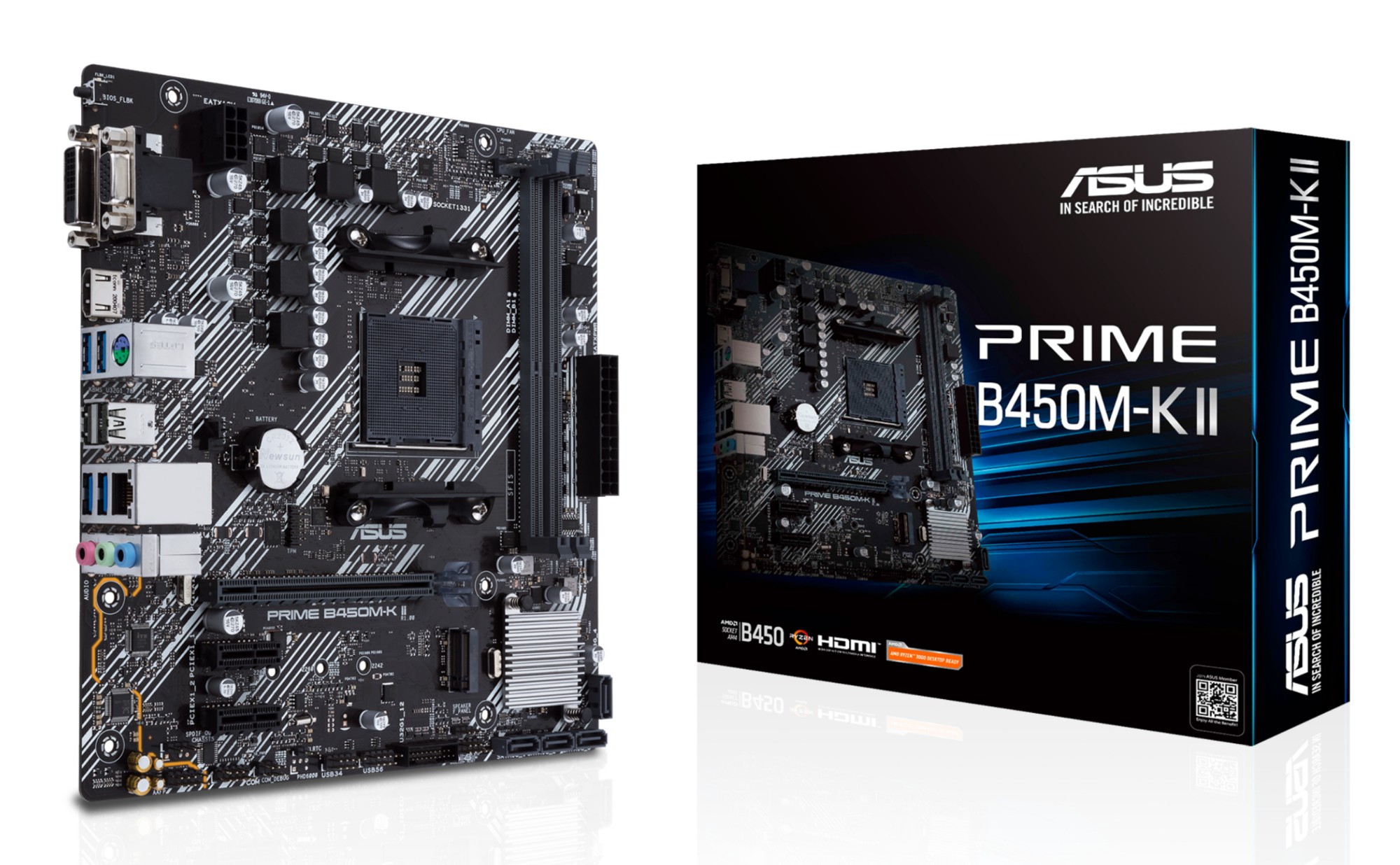
ASUS 90MB1600-M0EAY0 ASUS Prime B450M-K II AMD B450 Socket AM4 micro ATX
ASUS Prime B450M II Series motherboards provide the solid foundation needed for your first build, plus flexibility to grow with your ambitions. We've melded all the good stuff that's packed into AMD Ryzen™ processors with essential ASUS design and engineering, so you benefit from industry-leading technologies — including automated system tuning, comprehensive cooling controls, and immersive onboard audio. When you build with an ASUS Prime B450M II Series motherboard, you build smart, easy and affordably.Tune It Your WayComprehensive controls form the foundation of the ASUS Prime series. The Prime B450M II motherboard packs flexible tools to tune every aspect of your system, enabling you to tweak performance settings to perfectly match the way you work – maximizing your productivity.Cooler by DesignPRIME B450M-K II is engineered with an array of hybrid fan headers and features comprehensive cooling controls that are configurable via Fan Xpert software or via the UEFI BIOS, ensuring your rig stays cool and stable under intense workloads.Build on a Solid FoundationPrime B450M II motherboard provides all the fundamentals to boost daily productivity, so your system will be ready for action with stable power, intuitive cooling and flexible transfer options.PCIe 3.0 M.2(up to 32 Gbps)Achieve speed with onboard M.2M.2 Slot supports data-transfer speed up to 32Gbps via x4 PCI Express® 3.0 bandwidth. It‘s the perfect choice for an operating system or application drive, providing fast access to data.Little Things Make a Big DifferencePrime B450M II series adds the nuanced details that improve every experience, from exclusive codecs that provide pristine audio quality to intuitive interface that let you customize your system to create a unique personal look.Outstanding AudioCombined onboard features deliver elevated audioIntelligent design and premium hardware create audio quality unlike anything you’ve ever experienced.
Part# 90MB1600-M0EAY0
SKU S19454
Limited Availability


Kingston Technology
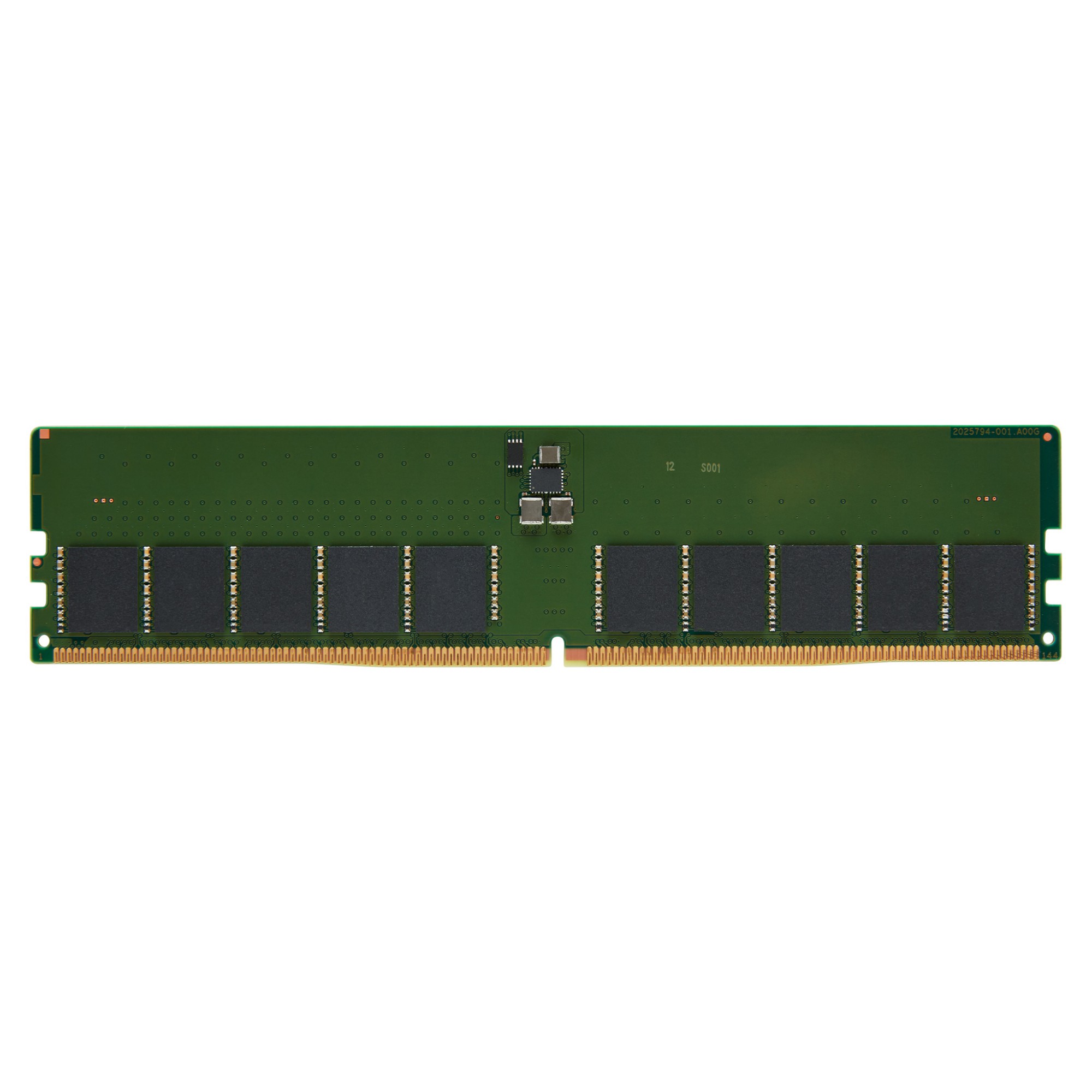
Kingston Technology KTD-PE548E-32G Kingston Technology KTD-PE548E-32G memory module 32 GB 1 x 32 GB DDR5 ECC
Part# KTD-PE548E-32G
SKU S19454
Limited Availability
Kingston Technology
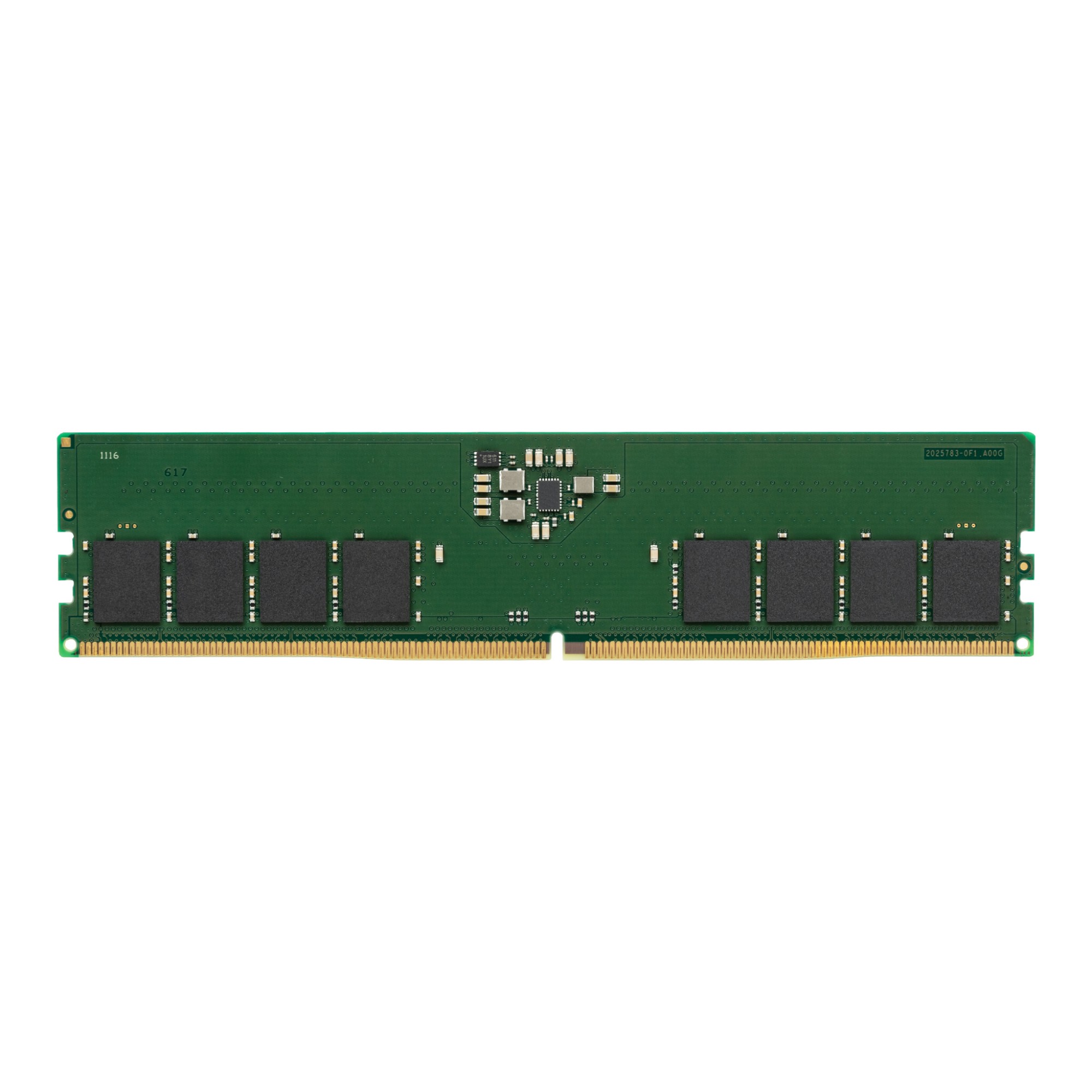
Kingston Technology KCP556US8-16 Kingston Technology KCP556US8-16 memory module 16 GB 1 x 16 GB DDR5
Part# KCP556US8-16
SKU S19454
Limited Availability
Kingston Technology
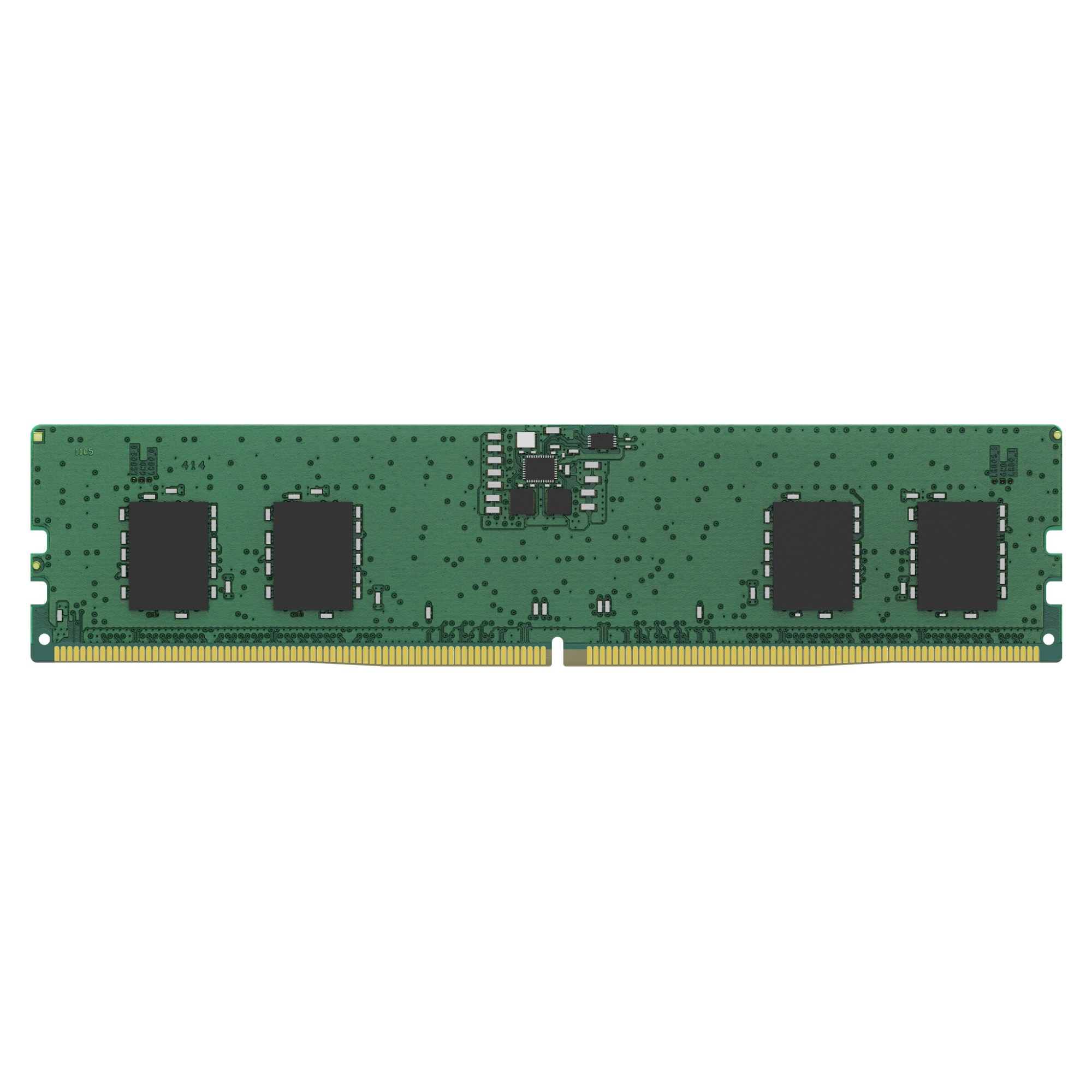
Kingston Technology KCP556US6-8 Kingston Technology KCP556US6-8 memory module 8 GB 1 x 8 GB DDR5
Kingston DDR5 System Specific Memory For Desktop and Notebook. Kingston Technology is the world's independent memory leader and is well-known for providing high quality memory products at an attractive price. Kingston DDR5 Desktop and Notebook Memory is designed for customers who are looking the most reliable and respected components in the industry to ensure maximum performance and legendary Kingston reliability. Chip Brand and Performance. When Kingston designs a new memory module for a newly released system, Kingston engineers test several brands of chips on the new module design. This testing allows us to determine which brands of chips provide the best performance. Kingston uses a controlled bill of materials for our system-specific module designs to deliver the best performance for your system. Chip Compatibility. While Kingston tests the chip performance for a specific system, it also tests the chips for compatibility. As memory speeds get faster, chip compatibility becomes increasingly important and varies from system to system, so Kingston tests several different chip brands in each system it supports and has approved vendor lists for its modules. In addition, module physical dimensions affect a module design's compatibility. In many systems, the number of chips makes a module physically installable and electrically compatible. Designing modules for chip compatibility as well as chip quantity allows us to guarantee absolute compatibility with the system or class of systems in which the module will be installed.
Part# KCP556US6-8
SKU S19454
Limited Availability
Kingston Technology
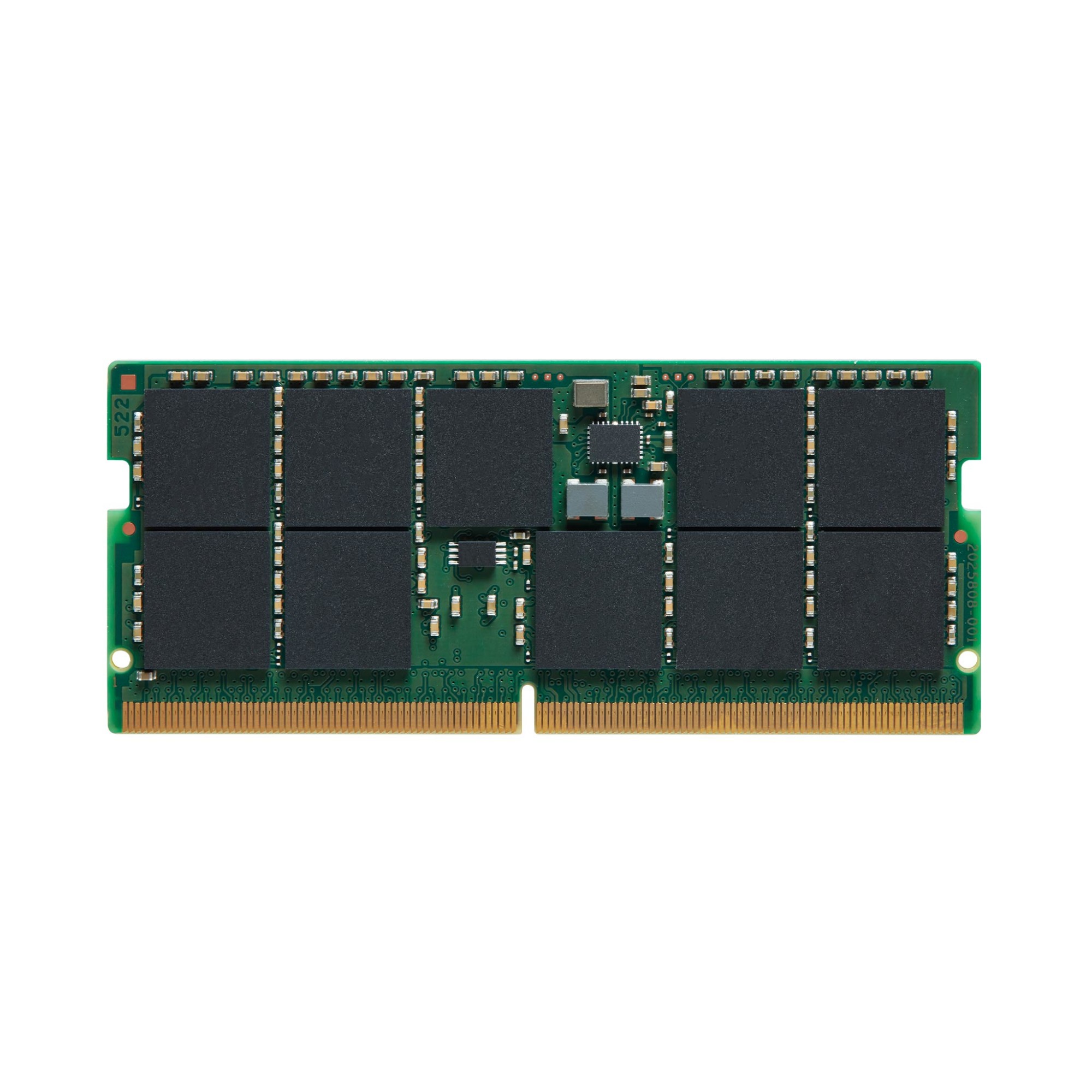
Kingston Technology KTD-PN548T-32G Kingston Technology KTD-PN548T-32G memory module 32 GB 1 x 32 GB DDR5 ECC
Part# KTD-PN548T-32G
SKU S19454
Limited Availability
Kingston Technology
Kingston Technology KTH-PL548E-16G Kingston Technology KTH-PL548E-16G memory module 16 GB 1 x 16 GB DDR5 ECC
Part# KTH-PL548E-16G
SKU S19454
Limited Availability
Kingston Technology
Kingston Technology KTL-TS548E-32G Kingston Technology KTL-TS548E-32G memory module 32 GB 1 x 32 GB DDR5 4800 MHz ECC
Part# KTL-TS548E-32G
SKU S19454
Limited Availability
Kingston Technology
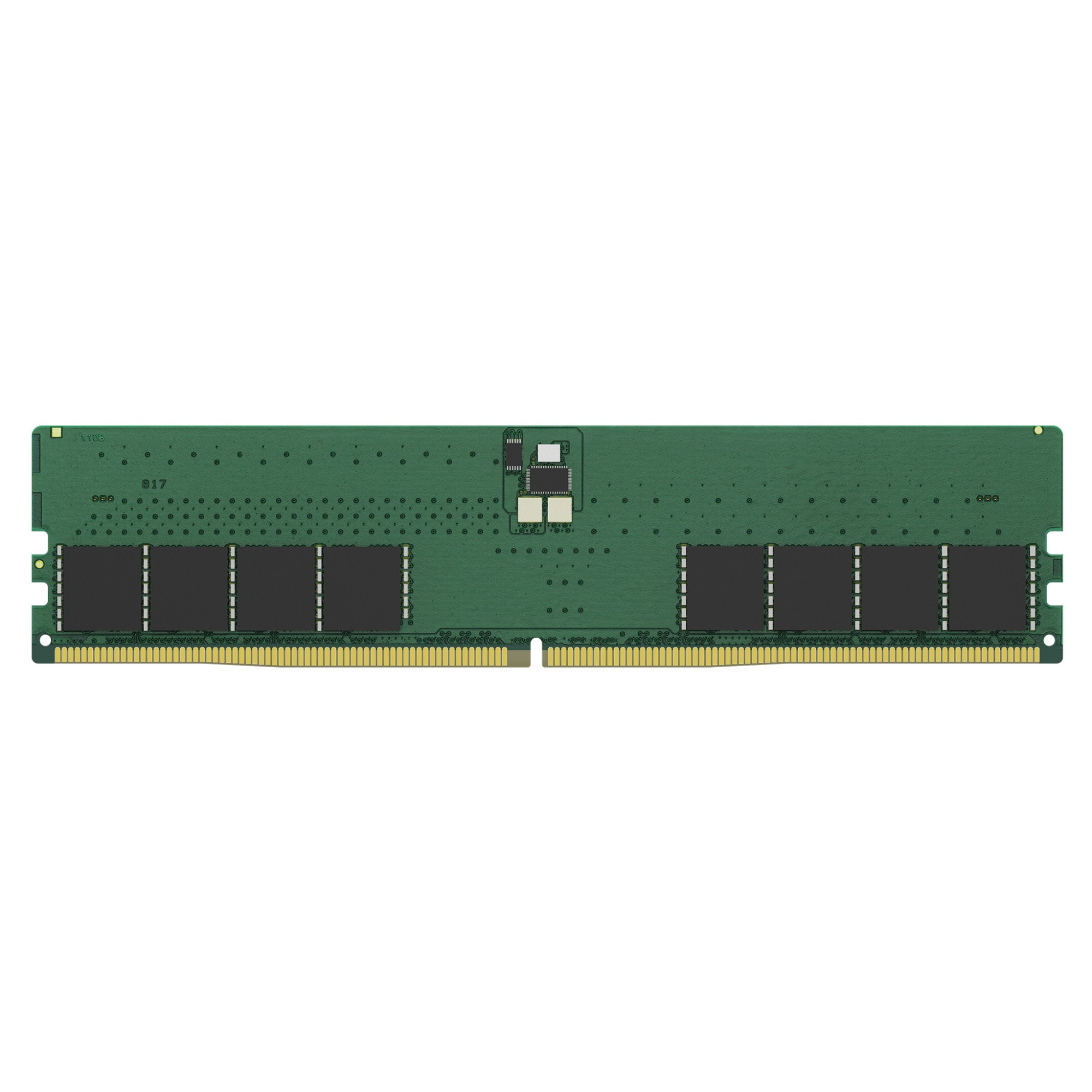
Kingston Technology KCP556UD8-32 Kingston Technology KCP556UD8-32 memory module 32 GB 1 x 32 GB DDR5
Part# KCP556UD8-32
SKU S19454
Limited Availability
Kingston Technology
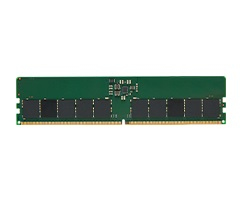
Kingston Technology KTD-PE548E-16G Kingston Technology KTD-PE548E-16G memory module 16 GB 1 x 16 GB DDR5 4800 MHz ECC
Part# KTD-PE548E-16G
SKU S19454
Limited Availability
Intel
Intel PK8071305126600 Intel Xeon w7-2495X processor 2.5 GHz 45 MB Smart Cache
Intel® Trusted Execution TechnologyIntel® Trusted Execution Technology for safer computing is a versatile set of hardware extensions to Intel® processors and chipsets that enhance the digital office platform with security capabilities such as measured launch and protected execution. It enables an environment where applications can run within their own space, protected from all other software on the system.Intel® Virtualization Technology for Directed I/O (VT-d)Intel® Virtualization Technology for Directed I/O (VT-d) continues from the existing support for IA-32 (VT-x) and Itanium® processor (VT-i) virtualization adding new support for I/O-device virtualization. Intel VT-d can help end users improve security and reliability of the systems and also improve performance of I/O devices in virtualized environments.Intel® Virtualization Technology (VT-x)Intel® Virtualization Technology (VT-x) allows one hardware platform to function as multiple âvirtualâ platforms. It offers improved manageability by limiting downtime and maintaining productivity by isolating computing activities into separate partitions.Intel® 64Intel® 64 architecture delivers 64-bit computing on server, workstation, desktop and mobile platforms when combined with supporting software.¹ Intel 64 architecture improves performance by allowing systems to address more than 4 GB of both virtual and physical memory.CacheCPU Cache is an area of fast memory located on the processor. Intel® Smart Cache refers to the architecture that allows all cores to dynamically share access to the last level cache.Intel® AES New InstructionsIntel® AES New Instructions (Intel® AES-NI) are a set of instructions that enable fast and secure data encryption and decryption. AES-NI are valuable for a wide range of cryptographic applications, for example: applications that perform bulk encryption/decryption, authentication, random number generation, and authenticated encryption.Intel® Turbo Boost TechnologyIntel® Turbo Boost Technology dynamically increases the processor's frequency as needed by taking advantage of thermal and power headroom to give you a burst of speed when you need it, and increased energy efficiency when you donât.Max Turbo FrequencyMax Turbo Frequency is the maximum single-core frequency at which the processor is capable of operating using Intel® Turbo Boost Technology and, if present, Intel® Turbo Boost Max Technology 3.0 and Intel® Thermal Velocity Boost. Frequency is typically measured in gigahertz (GHz), or billion cycles per second.Execute Disable BitExecute Disable Bit is a hardware-based security feature that can reduce exposure to viruses and malicious-code attacks and prevent harmful software from executing and propagating on the server or network.Intel® Hyper-Threading TechnologyIntel® Hyper-Threading Technology (Intel® HT Technology) delivers two processing threads per physical core. Highly threaded applications can get more work done in parallel, completing tasks sooner.Instruction SetAn instruction set refers to the basic set of commands and instructions that a microprocessor understands and can carry out. The value shown represents which Intelâs instruction set this processor is compatible with.Intel® VT-x with Extended Page Tables (EPT)Intel® VT-x with Extended Page Tables (EPT), also known as Second Level Address Translation (SLAT), provides acceleration for memory intensive virtualized applications. Extended Page Tables in Intel® Virtualization Technology platforms reduces the memory and power overhead costs and increases battery life through hardware optimization of page table management.Enhanced Intel SpeedStep® TechnologyEnhanced Intel SpeedStep® Technology is an advanced means of enabling high performance while meeting the power-conservation needs of mobile systems. Conventional Intel SpeedStep® Technology switches both voltage and frequency in tandem between high and low levels in response to processor load. Enhanced Intel SpeedStep® Technology builds upon that architecture using design strategies such as Separation between Voltage and Frequency Changes, and Clock Partitioning and Recovery.Intel® Speed Shift TechnologyIntel® Speed Shift Technology uses hardware-controlled P-states to deliver dramatically quicker responsiveness with single-threaded, transient (short duration) workloads, such as web browsing, by allowing the processor to more quickly select its best operating frequency and voltage for optimal performance and power efficiency.Intel® Turbo Boost Technology 2.0 FrequencyIntel® Turbo Boost Technology 2.0 Frequency is the maximum single core frequency at which the processor is capable of operating using Intel® Turbo Boost Technology. Frequency is typically measured in gigahertz (GHz), or billion cycles per second.Intel® Software Guard Extensions (Intel® SGX)Intel® Software Guard Extensions (Intel® SGX) provide applications the ability to create hardware enforced trusted execution protection for their applicationsâ sensitive routines and data. Intel® SGX provides developers a way to partition their code and data into CPU hardened trusted execution environments (TEEâs).Intel® Deep Learning Boost (Intel® DL Boost)A new set of embedded processor technologies designed to accelerate AI deep learning use cases. It extends Intel AVX-512 with a new Vector Neural Network Instruction (VNNI) that significantly increases deep learning inference performance over previous generations.Instruction Set ExtensionsInstruction Set Extensions are additional instructions which can increase performance when the same operations are performed on multiple data objects. These can include SSE (Streaming SIMD Extensions) and AVX (Advanced Vector Extensions).Intel® Turbo Boost Max Technology 3.0 FrequencyIntel® Turbo Boost Max Technology 3.0 identifies the best performing core(s) on a processor and provides increased performance on those cores through increasing frequency as needed by taking advantage of power and thermal headroom. Intel® Turbo Boost Max Technology 3.0 frequency is the clock frequency of the CPU when running in this mode.Intel® Turbo Boost Max Technology 3.0Intel® Turbo Boost Max Technology 3.0 identifies the best performing core(s) on a processor and provides increased performance on those cores through increasing frequency as needed by taking advantage of power and thermal headroom.Intel® Total Memory EncryptionTME â Total Memory Encryption (TME) helps protect data against exposure via physical attack on memory, such as cold-boot attacks.Max # of UPI LinksIntel® Ultra Path Interconnect (UPI) links are a high speed, point-to-point interconnect bus between the processors, delivering increased bandwidth and performance over Intel® QPI.# of AVX-512 FMA UnitsIntel® Advanced Vector Extensions 512 (AVX-512), new instruction set extensions, delivering ultra-wide (512-bit) vector operations capabilities, with up to 2 FMAs (Fused Multiply Add instructions), to accelerate performance for your most demanding computational tasks.Intel® Resource Director Technology (Intel® RDT)Intel® RDT brings new levels of visibility and control over how shared resources such as last-level cache (LLC) and memory bandwidth are used by applications, virtual machines (VMs) and containers.Intel® Optane⢠Persistent Memory SupportedIntel® Optane⢠persistent memory is a revolutionary tier of non-volatile memory that sits between memory and storage to provide large, affordable memory capacity that is comparable to DRAM performance.  Delivering large system-level memory capacity when combined with traditional DRAM, Intel Optane persistent memory is helping transform critical memory constrained workloads â from cloud, databases, in-memory analytics, virtualization, and content delivery networks.Mode-based Execute Control (MBEC)Mode-based Execute Control can more reliably verify and enforce the integrity of kernel level code.Intel® Boot GuardIntel® Device Protection Technology with Boot Guard helps protect the systemâs pre-OS environment from viruses and malicious software attacks.Intel® Control-Flow Enforcement TechnologyCET - Intel Control-flow Enforcement Technology (CET) helps protect against the misuse of legitimate code snippets through return-oriented programming (ROP) control-flow hijacking attacks.Intel® Transactional Synchronization ExtensionsIntel® Transactional Synchronization Extensions (Intel® TSX) are a set of instructions that add hardware transactional memory support to improve performance of multi-threaded software.
Part# PK8071305126600
SKU S19454
Limited Availability

Item(s) added to cart

